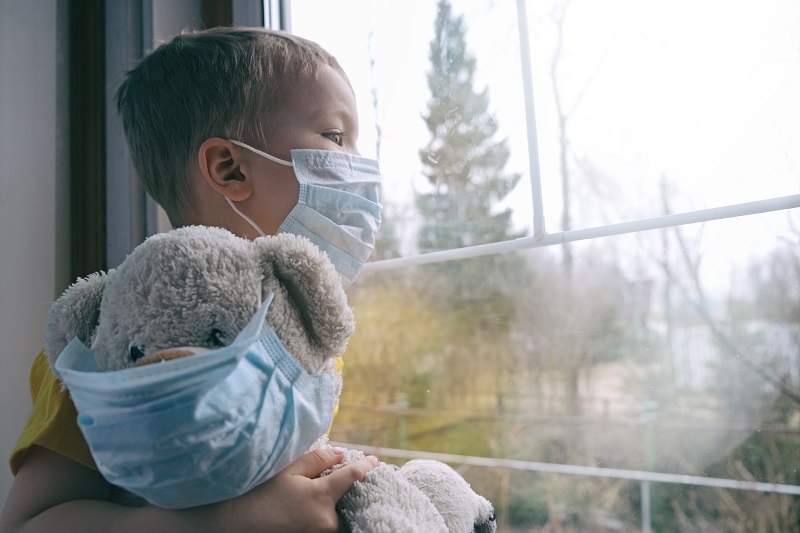
Lockdown, coronavirus, home schooling, safety measures, health crisis… new terms entered children’s vocabulary from February 2020 onward. While a great deal of attention has been paid to the anxiety and stress experienced by adults, few studies have looked at the impact of Covid-19 on children’s mental wellbeing. And yet the medical community agrees on the worrying situation facing many children indirectly affected by this virus. What is at stake in this health crisis for young children and teenagers? How can we spot its impact and help our children cope better with this difficult period?
Why should we be concerned about children’s psychological state during this health crisis?
Because we have all acted under pressure and, faced with an unprecedented situation, taken things day by day, it is time to look at the collateral damage caused by the coronavirus. Have we unknowingly neglected our precious children? Let’s leave the guilt aside.
The reality is that we have all built up powerful levels of stress. Our brains don’t like the unknown; it’s a primal function that keeps us safe. Since 2020, we have been going through an intense psychological ordeal. Put simply: we don’t know what tomorrow holds.
“There was a point when adults forgot they had children. We left the little ones in front of screens or doing homework on their own for a while. And we paid little attention to their emotional state. The studies are very worrying, as they show that, whatever the age between 4 and 15, a third of children are anxious or somewhat depressed.”
Richard Delorme, child psychiatrist,
head of the child psychiatry department at Robert-Debré Hospital
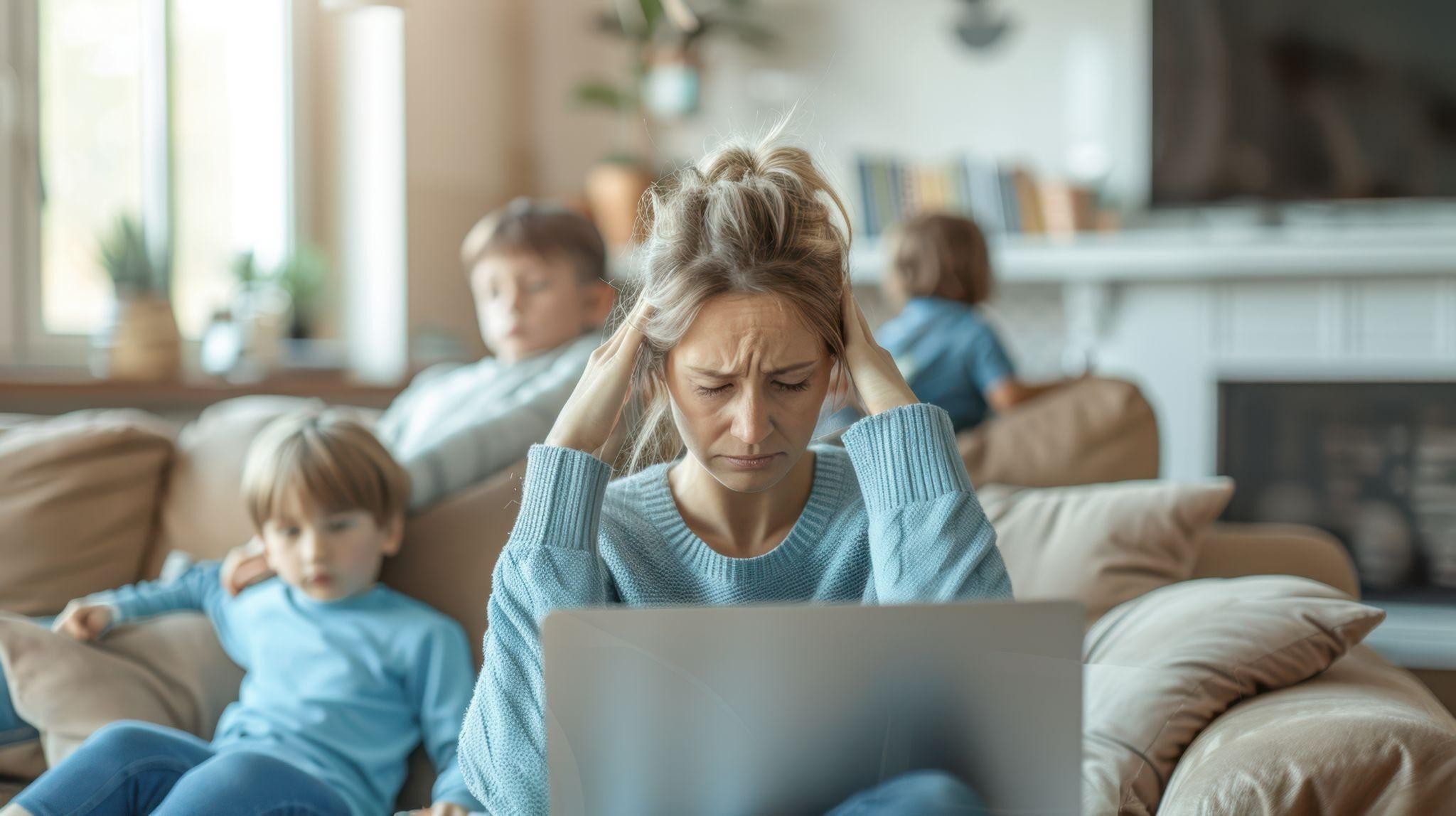
Managing this crisis under constant pressure generates real anxiety in adults. As a result, children absorb this stress. Unlike us, they express it little, if at all. When parents go for a run, do the shopping, or go to work to blow off steam, younger children don’t have that freedom. They soak up the intangible, constant worry of those around them.
Successive lockdowns, school closures and, in between, the fear of infection, have led to drastic social isolation. Grandparents, aunts, uncles, as well as friends and neighbours, have been kept away from the household to avoid infection. This isolation holds back a child’s social development. Even during periods of eased restrictions, a large majority of extracurricular activities are still banned. Yet taking part in an artistic, sporting or recreational activity is fundamental to their development and balance.
“I’m worried about my dad, who works in a seasonal shop. […] I’m scared for my family, where there are people with breathing problems. I can’t sleep, I sometimes cry, I can’t concentrate. I’m scared of a second wave. I’m scared of getting the coronavirus.”
Amaury, 12, a young listener of France Inter
Are our teenagers spared? Not at all. Young people, cut off from their friends and their usual activities, are hit hard by a damaging kind of loneliness. It leads to a negative self-image and/or a negative view of society. Being a student means experiencing independence, discovering life for yourself, and gradually building your identity away from the family cocoon. Yet, confined to their student room or shut in at home with remote classes, our young people are experiencing a severe slowdown in this process of becoming independent. Distancing and isolation weigh heavily on their social and emotional development.
What are the signs that a child is anxious or stressed because of the coronavirus?
Symptoms vary depending on age, but also on personality. Sleep disturbances, changes in eating habits and anxiety are generally observed, but the signs are sometimes less obvious.
In children aged 0 to 6
Infants are not able to put into words or clearly understand the upheaval experienced by those around them. Nevertheless, they perceive very acutely the turmoil affecting the people who care for them. This can show up in different ways, in particular:
- Lack of desire to play
- Unexplained crying
- Refusal of contact with other people
- A constant need to be with their parents to avoid being alone
- Nightmares
- Eating difficulties
- An apparent regression in maturity
- Irritability
In children aged 6 to 12
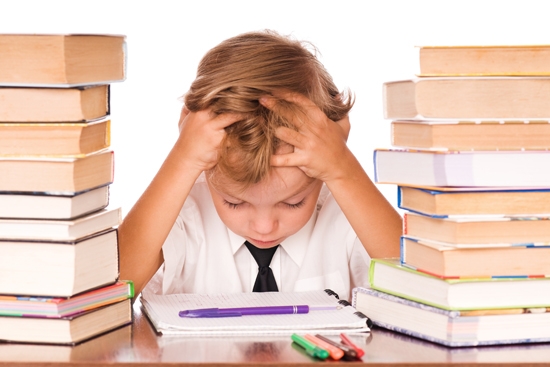
Although able to put their anxieties into words, children and pre-teens may internalise the distress caused by the dangers of the coronavirus. Safety measures are easily understood and applied, but they sometimes become obsessive and turn into compulsive behaviours. We might note the following signs:
- An irritable, aggressive attitude
- Sleep disturbances, with or without nightmares
- Disrupted appetite
- Various unexplained aches, such as headaches, stomach aches…
- Seeking parental attention
- Difficulty concentrating
- A general loss of interest.
In teenagers and students
This generation is struggling to picture a positive future in the face of an uncertain, frightening one. These young people sometimes feel their future is under threat. This leads to a rejection of the outside world. This mistrust and withdrawal are all the more dangerous because they trigger a poorly managed search for answers. Sadly, these answers are often found online, particularly on social media, where misinformation and fake news circulate in abundance. In terms of symptoms, the following may appear:
- Psychosomatic pain (headaches, abdominal pain, eczema…)
- Behavioural difficulties (apathy or agitation, anger…)
- Difficulty concentrating
- Isolation and withdrawal
- Disrupted sleep and eating
How can you help your child if they’re anxious about the coronavirus?
Several precautions will help you restore your child’s emotional balance and wellbeing during this health crisis. Generally speaking, for your own morale and that of your family, limit exposure to news coverage. Case numbers, death tolls and other images of patients in hospital beds are distressing for everyone. Choosing a reliable news source, checked 2 to 3 times a week for a limited amount of time, is more than enough.
For younger children, the government and the WHO recommend keeping or setting up a reassuring routine. Mealtimes, recurring recreational or educational activities, and bedtime should all serve as solid reference points in a world that has been turned upside down overnight.
As you will have noticed, whatever their age, children tend to “cling” to their parents during this period. Take the opportunity to give them real, regular slots of family activity time. Household chores, cooking, cleaning, but also games and various creative activities are all welcome. The idea is to show them they aren’t just an object experiencing the world passively, but that they are capable of creating and taking action.
It is also important to ensure good communication by offering them the chance to talk without forcing them to. This helps you give them fair, simple answers, after first checking what they already know. Don’t hesitate to put your own worries into words simply, without exaggerating, as this will help them understand and better accept their own.
By bringing up the risk that they might catch Covid-19, you will help take the drama out of the situation. This is a chance to explain that they will probably have few or no symptoms, and that appropriate treatments exist. They will be relieved to learn that, given their age, they are not at serious risk.
Essential for our children and for us too, it’s important to keep up social contact remotely, using the phone and especially video calls: Zoom, WhatsApp and FaceTime are free solutions that let you stay in touch with friends and family.
We are stressed, tense, and torn between the desire to meet all our family and work needs and the need to also give ourselves time to rest and be free. In this unprecedented context, let’s not forget to raise our tolerance threshold and show patience towards our children and teenagers. This also applies to safety measures: let’s avoid making young people feel guilty if they haven’t followed one correctly. This kind of fear has become increasingly common in children since Covid-19.
What if we brought some joy into this heavy daily routine? A themed meal (all foods the same colour, an island atmosphere, trompe-l’œil food…), a day where parents and children swap roles, a family selfie pulling funny faces… So many simple, fun moments that will reassure children. We can still have fun and laugh, even during a pandemic!
For our teenagers, it is essential to encourage them to take action, to start projects, and to get involved in an activity. This is a way to avoid or break out of passivity and the state of simply waiting for government announcements. By getting involved in a project, they will be taking action, working towards a constructive goal. This is an excellent booster for confidence in themselves and in the future.
Screen time is no longer a hot topic since remote classes, online exams, and video calls with friends and family via Zoom and other apps. Yet we still need to keep an eye on the sources of information our teenagers use to stay up to date with the news. More than ever, false rumours, fake news, and extremist movements are thriving online, drawing in listeners unsettled by the health crisis. We have an important role to play with this young audience. The Netflix documentary “The Social Dilemma” is a good starting point for opening up debate about social media in particular.
Take part in the parent workshops on screen use, organised by the Dys-Positif association: www.dys-positif.fr
If, despite these steps, doubts remain and you notice your child may be struggling, we encourage you to contact your family doctor or a healthcare professional, such as a child psychologist. The ORA remote teleconsultation platform gives you access to speech therapists, tutors for school support, and child psychologists via video call. Generally, just a few sessions, from home, at a day and time that suits you, are enough to restore a balance weakened by current circumstances.