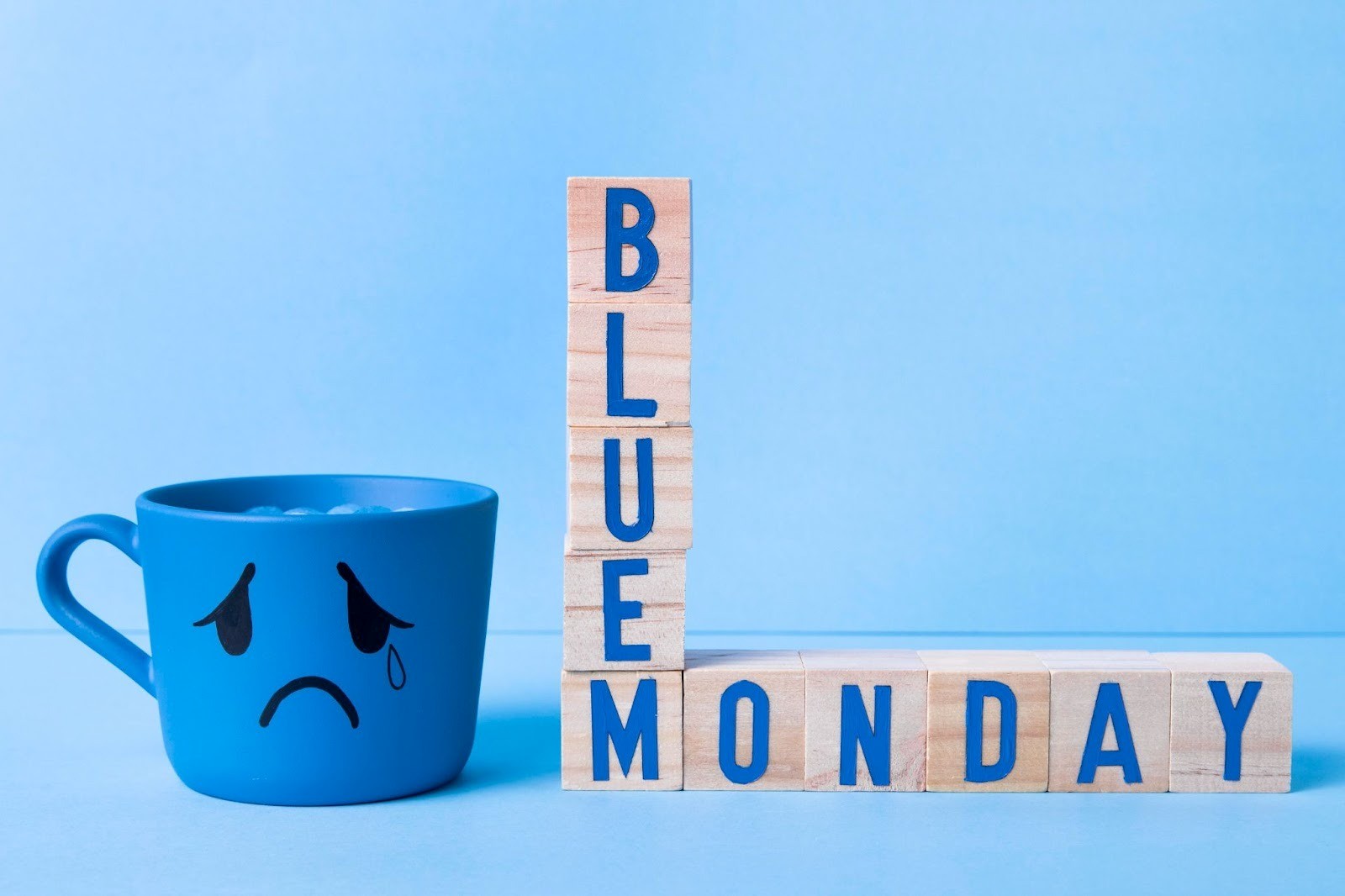
Every year, on the third Monday of January, articles and posts about Blue Monday spring up in the press and on social media.
Is Blue Monday really the most depressing day of the year? Origins, myth, impact on mental health, and solutions.
What is Blue Monday?
The name comes from the English expression “to feel blue”, which evokes a feeling of sadness or low motivation. So “Blue Monday” is best understood as a “depressing Monday”.
And what could be more depressing than a Monday in January, once the Christmas and New Year festivities already feel far away and the days are short and lacking in light.
Origins of Blue Monday: a marketing creation
But who decided that the most depressing day of the year falls in January? Were there any scientific studies, any statistics behind it?
Actually, no!
It originally came from a marketing campaign run by
travel agencies to “boost” bookings, since January is a quiet month for holiday departures.
Blue Monday: a pseudo-scientific concept
That said, it’s easy to see why people conclude it has a
“pseudo-scientific” origin, since it is clearly established that winter is often associated with seasonal depression.
We’ve all noticed that in winter we suffer from a lack of light, sunshine, and therefore vitamin D, which doctors often prescribe when we see them at this time of year.
How often do we hear people say, in winter, that they feel tired, that they’re not in good spirits, and that they can’t wait for the warmer, brighter days to return.
Seasonal depression and the winter blues: a real phenomenon
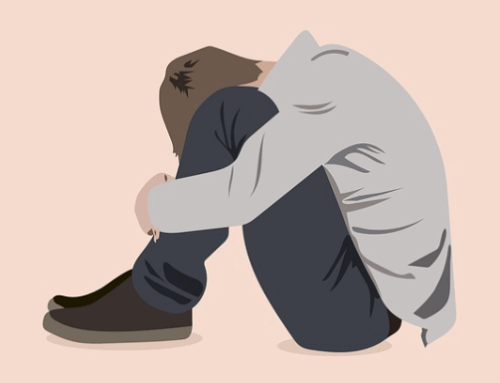
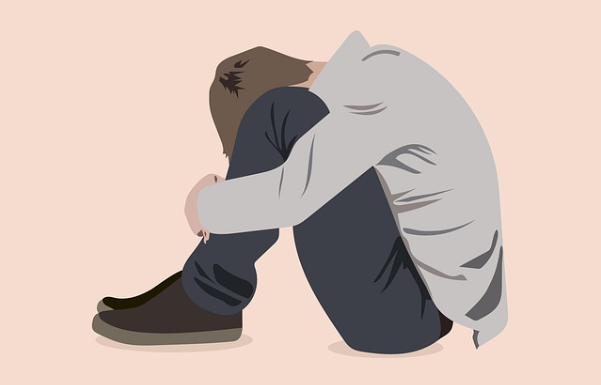
That said, it’s important to distinguish between a seasonal case of the blues and genuine depression. Because if this persistent tiredness and low mood is joined by other worries, such as stress at work, family difficulties, or concerns about your own health or that of your loved ones, it’s not uncommon for a depressive state to develop.
In that state, as we know, we sleep little or badly. This poor-quality sleep has knock-on effects on our work, since we struggle to concentrate and become less effective. A lack of patience and irritability start creeping into both work and home life.
How to protect your mental wellbeing in winter
Before things get to that point, you can also carry January’s good resolutions through the rest of the year and take care of yourself by:
- getting as much daylight exposure as possible
- doing physical activity (which is good for both body and brain)
- giving yourself time, just for you, to breathe, meditate, draw, knit, read…
- spending time with people who make you feel good
Even so, sometimes low mood settles in for the long term. In that case, it’s important to seek help before it develops into depression, which takes longer to recover from. And yes, I do mean “recover”, because depression is an illness.
You can then turn to a mental health professional: a psychologist, a psychotherapist, or a psychiatrist. What matters most is finding someone who listens to you and with whom you feel comfortable.
Some people prefer to see a sophrologist or relaxation therapist, either on their own or alongside psychological support.
Conclusion:
Ultimately, Blue Monday is not a scientific fact, but it can serve as a starting point for opening up a conversation about mental wellbeing. Rather than simply enduring it, we can choose to turn it into an opportunity to take care of ourselves and others, well beyond just one Monday in January.
To go further:
- Another article from our blog on mental health: Parental burnout: when perfectionism rhymes with depression
- Other articles on seasonal depression:
- Information and prevention factsheet: https://www.brunet.ca/sante/conseils-sante/depression-saisonniere/