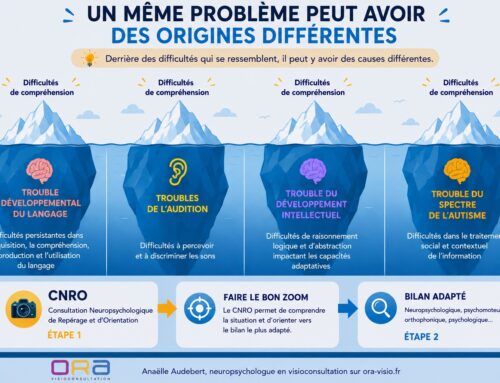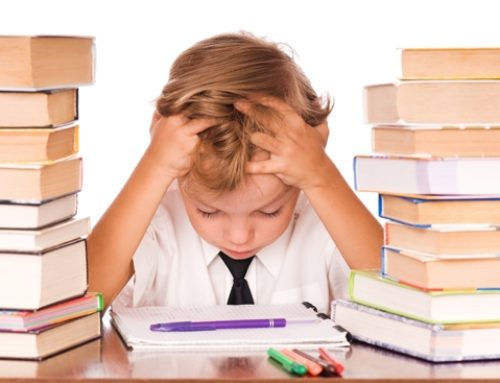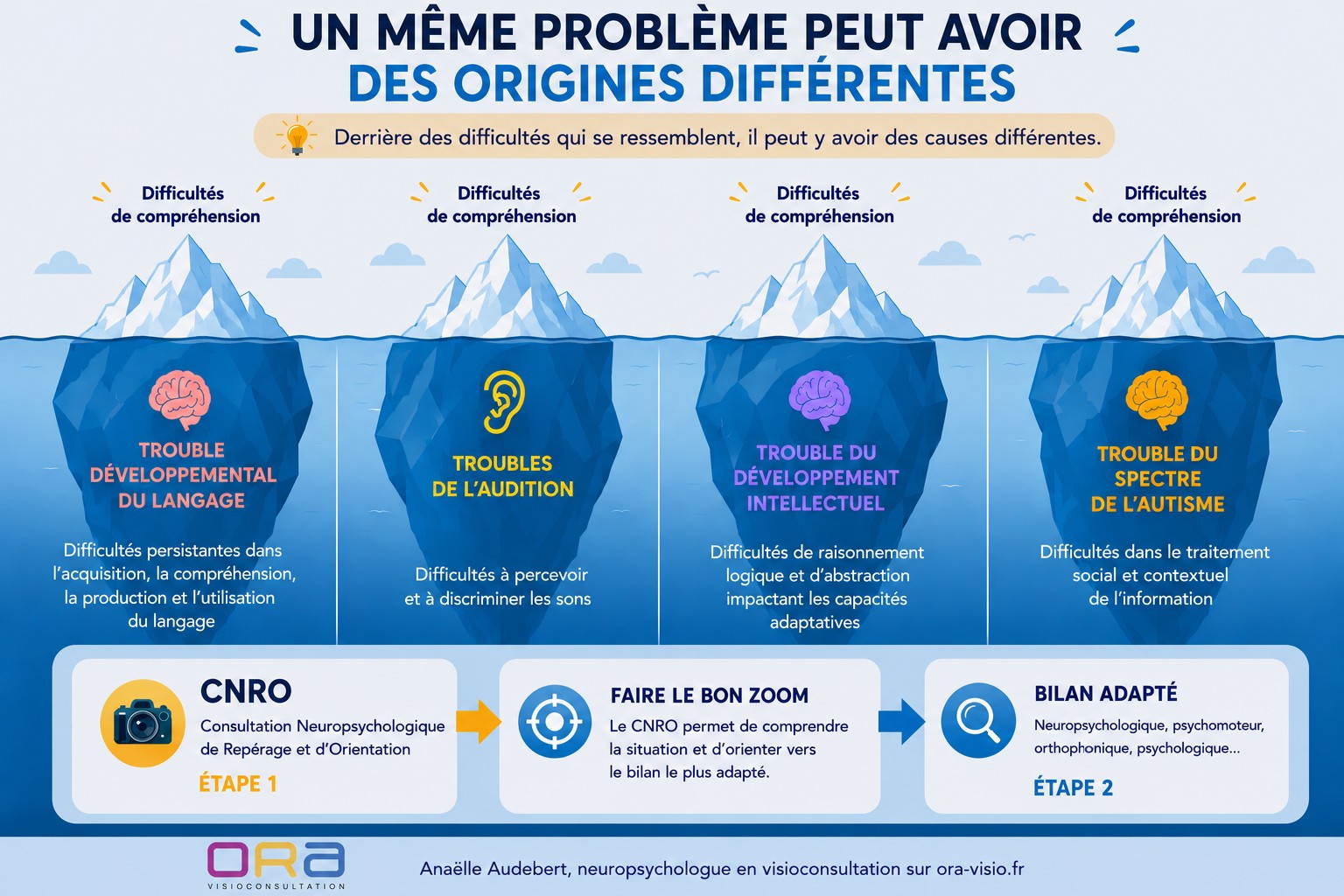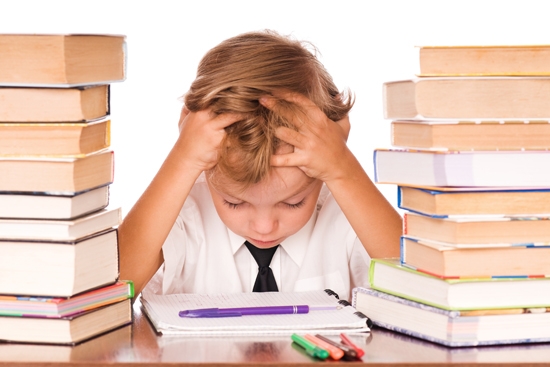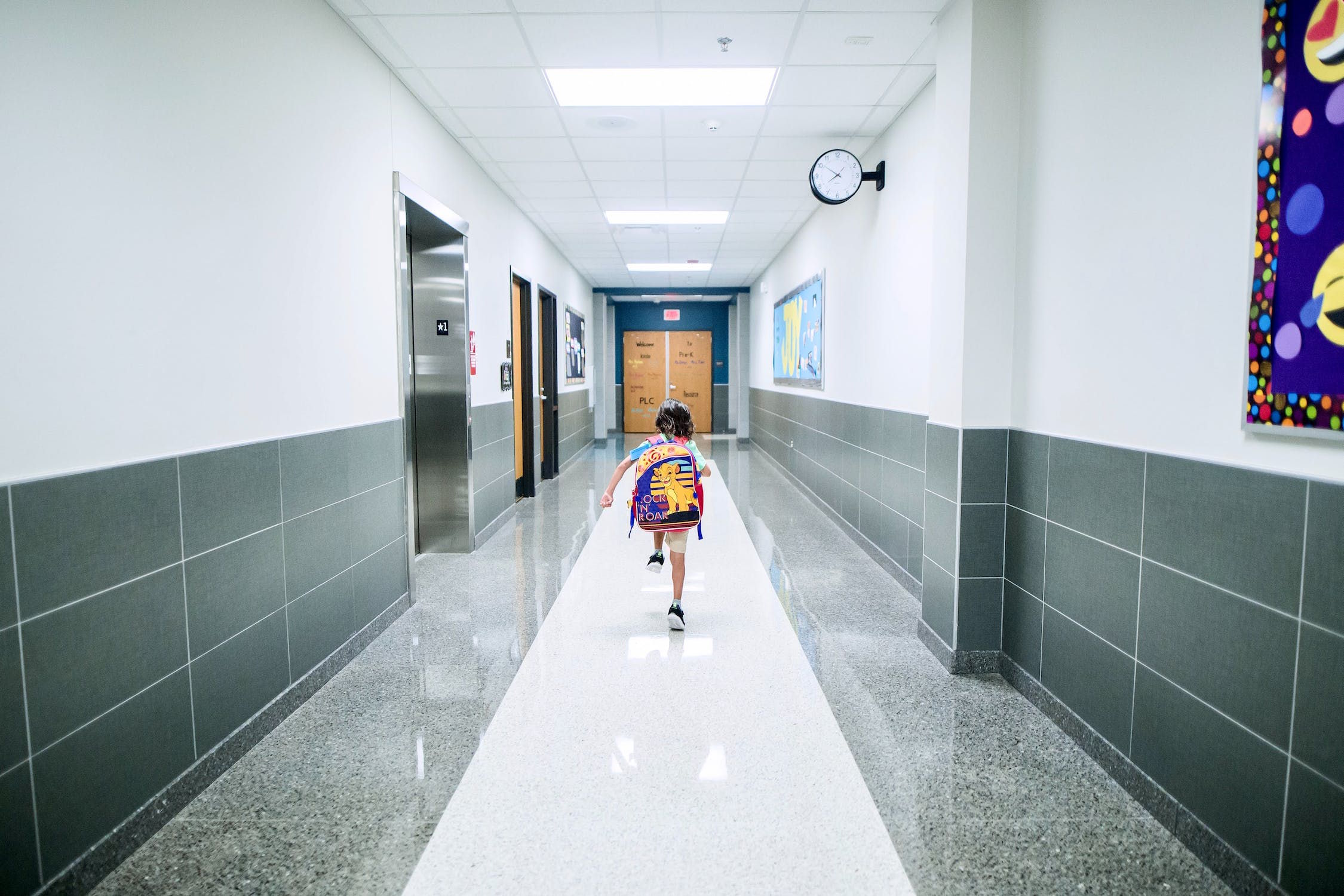
According to INSERM (the French national health research institute), young people affected by school phobia represent 1 to 2% of pupils. Contrary to insinuations that blame parents, this condition is in no way a whim, a rebellion, a deliberate choice, or a lack of parental authority. It is a profound psychological distress, and it’s essential to find its cause in order to help the child move past it: perhaps the child has a DYS disorder, Autism Spectrum Disorder (ASD) or Attention Deficit Disorder (ADD), or is gifted?
School phobia, a profound psychological distress
School phobia is a psychological condition that results in the child’s physical inability to go to school. Insidious, this distress can take different forms: headaches, dead silence at breakfast, tears before leaving, increasingly frequent absences…
As reported by parents of children with school phobia (also known as “School Refusal Behaviour”), the body is the first to show this distress: migraines, stomach aches, refusing to stand up or to eat, panic attacks… all signs of profound psychological distress.
Alongside the children’s own distress comes that of their parents, who face a maze of medical uncertainty around a still poorly understood phenomenon. In her book “Phobie scolaire, Mon enfant n’arrive plus à aller à l’école” (“School Phobia: My Child Can No Longer Go to School”), Virginie Landemaine urges parents to be patient and accepting. To better explain this state, she compares it to burnout in adults…
A phobia rooted in psychological difficulties
Based on the first results of an ongoing study, INSERM has established a correlation between school refusal in teenagers and psychological difficulties (depression, social phobia) or a harmful school environment: “out of 1,328 pupils suffering from School Refusal Behaviour, nearly half had been victims of school bullying, insults or threats.”[1]
Drawing on the expertise of mental health professionals as well as her own experience, Virginie Landemaine describes “a multifactorial phenomenon that can be linked, for example, to school bullying, or to learning difficulties in pupils with a so-called atypical cognitive profile, such as those with DYS disorders: dyslexia, dyspraxia, etc. It can also be linked to hypersensitivity, combined with a gifted (HPI) profile.”1.
Children with DYS disorders, Autism Spectrum Disorder (ASD), Attention Deficit Disorder (ADD), and gifted pupils generally experience situations of failure, a loss of self-confidence, and overall, a mismatch with the school system, all of which require significant effort to compensate for.
Solutions for School Refusal Behaviour
At the first signs of School Refusal Behaviour in your child, contact one of the psychologists on the Ora-Visio platform: specialised in learning difficulties, they can offer real insight into this condition, in particular by diagnosing a possible DYS disorder, ASD, ADD, or giftedness.
Once diagnosed, the child can benefit from individualised support programmes (school accommodations). If needed, they can follow lessons remotely through CNED (France’s official distance-learning school) and benefit from “Home, Hospital and School Educational Support” (AHPADE, a French scheme providing home tuition for children unable to attend school).
[1] Source: https://france3-regions.francetvinfo.fr/pays-de-la-loire/loire-atlantique/nantes/phobie-scolaire-le-temoignage-de-virginie-landemaine-sur-l-anxiete-extreme-de-sa-fille-a-l-ecole-2835026.html