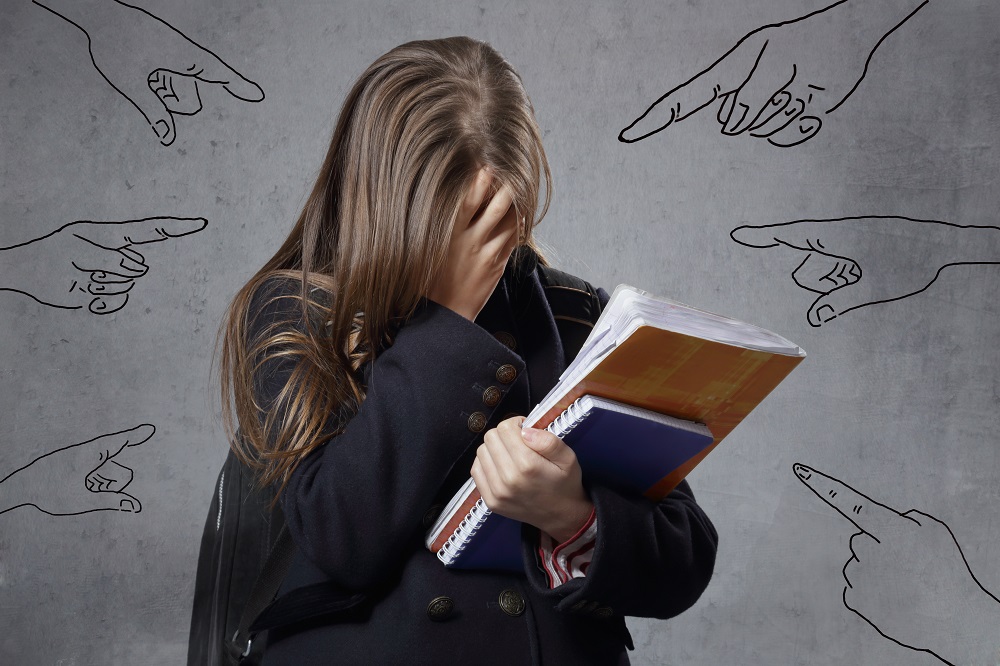
There are 1.2 million of them. That sad figure represents the number of primary and secondary school pupils who are victims of school bullying. Faced with mockery, extortion, verbal or physical violence, these children withdraw until they find themselves trapped in an inescapable situation. Definition, risk situations, warning signs, guidance for parents: here is a factsheet on this all-too-common phenomenon.
When do we talk about school bullying?
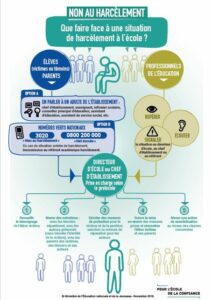
Any repeated violence, verbal or physical, inflicted within a school by one or more pupils on another who suffers without being able to defend themselves, is considered bullying. It takes many forms: extortion, intimidation, insults, mockery, threats, blows… While it can vary in intensity, school bullying must always be addressed with support for all pupils involved: victim, bully, or witness. The French government has set up a dedicated portal called “Non au harcèlement” (“Say No to Bullying”), which defines the phenomenon and supports parents through the process.
Situations that foster bullying at school
Thinking that schools in disadvantaged areas, secondary schools with a poor reputation, and schools in troubled neighbourhoods are more prone to bullying is a mistake. This belief is hard to shake. Yet bullying is a reality that affects every social background and every type of school without distinction. The severity of incidents varies with the age and gender of the pupils involved. So where should extra vigilance be focused?
Constant attention is needed at all times. Without falling into paranoia, it’s worth remembering that some situations are more conducive to school bullying. Stigmatising a particular characteristic of a pupil, a difference, can be the trigger.
- a physical trait: height, skin colour, hair colour, weight…
- gender identity: sexism, a boy perceived as effeminate, a girl perceived as a tomboy,
- a disability, a speech or communication disorder, a medical difficulty,
- visible membership of a religion, community, or culture,
- uncommon interests.
So many ordinary situations that can wrongly become a reason for bullying.
A computer in a teenager’s bedroom can also very quickly become a danger. Cyberbullying shows that this situation can sadly extend well beyond the school gates. Being able to spot a child’s vulnerabilities and talk about them together is an opportunity to put preventive safeguards in place.
Recognising pupils who are victims
As soon as a child’s behaviour changes, vigilance is essential. Parents are usually best placed to spot these significant behavioural changes, especially when the child stops talking about their disability, physical trait, or difference the way they used to. The signs listed below are fairly general and, thankfully, don’t always point to a bullying situation. Even so, they should always be taken seriously.
- disturbed behaviour: anger, agitation, touchiness, defiance,
- somatisation: disrupted sleep, pain with no identified medical cause (stomach aches, eczema…)
- falling grades: school phobia, difficulty concentrating,
- when classmates comment on a change in the pupil,
- when the pupil withdraws or suddenly changes who they spend time with,
- when signs of physical violence are visible on the child (a serious case in which a police report must be filed immediately).
Whether or not they stem from bullying, all these warning signs point to distress or something unspoken that needs to be clarified with the pupil as soon as possible, while also reminding them that nothing justifies what they’re going through.
How to help a bullied child
Because it can leave lasting psychological scars or lead to irreversible acts such as suicide, school bullying must be addressed immediately, but with a clear method.
Step 1: The ideal is to stay attentive to the child and show them complete trust. A child won’t open up if they think their word might be doubted. A child’s trust in their parents is built from the very first months of life. When the victim can’t bring themselves to confide in them, it’s the parents’ responsibility to remind the child that they can open up to a trusted adult who will be ready to listen without ever doubting what they say.
Step 2: Get in touch with the school’s leadership team and the child’s main teacher to try to find a solution together. Teachers who are informed can act to avoid risky situations for the pupil who is the victim.
Step 3: Work with the bullied child on ways to stand up to their bullies on their own, overcoming their fear by outsmarting their attackers’ tactics. This can involve building self-confidence, self-deprecation exercises, and explaining that the problem stems from the bullies’ own fears, and that they can do without that kind of company…
Step 4: Consult a psychologist. Some parents will prefer to entrust this work to a professional. Consulting a child psychologist will help the child find within themselves the resources to fight back on their own. A fragile child lacking self-confidence will, in any case, benefit from sessions with a psychologist. Of course, it’s important to first make sure that the child who has been bullied actually wants to open up to someone they don’t know, and not to insist if they resist.
Psychological support is also recommended to dispel the guilt and shame that so often come with bullying. On the ORA platform, psychologists for children and teenagers offer remote sessions. These teleconsultations are identical to in-person sessions, but take place online. Easier to access, and less unsettling for a child who can stay in their own environment during appointments, follow-up with an online psychologist is particularly well suited to cases of school bullying, and to families who cannot find a child psychologist near home.