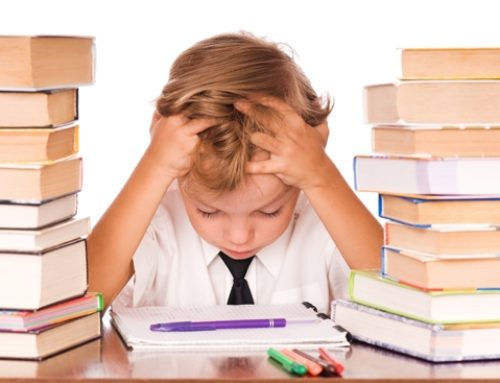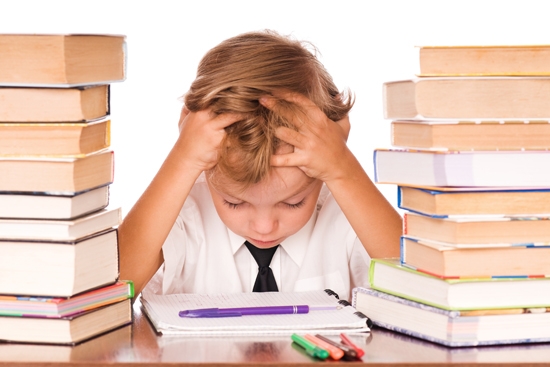
Traditionally viewed as a form of disability, dyslexia is known as a difficulty in writing and decoding words, but this dysfunction also conceals strong emotional potential: a recent study found higher social and emotional intelligence in dyslexic children than in non-dyslexic children of the same age. Explanation.
The emotional potential of a dyslexic child
In a study by the University of California, San Francisco, published in November 2020, researchers examined how dyslexic children reacted to videos designed to trigger emotions.
Aged 8 to 12, the 32 participants all had phonological dyslexia, the most common form of dyslexia, which makes them unable to analyse words, read them, or spell them correctly. Alongside them, a control group of 22 children was shown the same videos.
By studying their facial expressions during the viewings, their breathing, skin conductivity, brain activity and heart rate, the results revealed heightened emotional hypersensitivity in the dyslexic children, as well as greater self-awareness.
What is social and emotional intelligence?
Social intelligence is defined as an individual’s ability to understand the behaviour, thoughts and feelings of others, and to interact effectively with them. Emotional intelligence, meanwhile, is defined as a person’s ability to understand and manage their own emotions, as well as to deal with those of others.
Closely linked to one another, these two forms of intelligence are particularly useful in everyday life, whether within family and friendship circles or in one’s personal or professional life. Thanks to them, dyslexic people have no trouble forming social connections.
What is the impact of such a discovery?
Even though this data needs further study, Maria Luisa Gorno-Tempini, professor of neurodevelopment at the University of California, San Francisco, believes that by better understanding the strengths associated with dyslexia, it will be easier to “identify effective remediation strategies“[1].
Her colleague and neuroscience researcher Virginia Sturm believes that children with dyslexia might perform better in one-on-one or small-group teaching settings. In smaller social settings, this could potentially foster closer emotional bonds between individuals…
One thing is certain: this type of research could open the door to new teaching approaches for dyslexic pupils!
How can we support this trait?
Beware, these forms of intelligence are a double-edged sword, since they also increase the risk of developing anxiety or depression. As Virginia Sturm points out, we need to be “aware of their vulnerability […] and make sure they get adequate support to manage their potentially intense emotions…”1
Don’t hesitate to connect your dyslexic child with one of our psychologists on the Ora-Visio platform: specialised in DYS disorders, they will know how to support your child in managing these emotions, helping them make the most of this high potential!
[1] Citations: https://www.pourquoidocteur.fr/Articles/Question-d-actu/34671-Enfants-dyslexiques-sensibilite-emotionnelle-double-tranchant