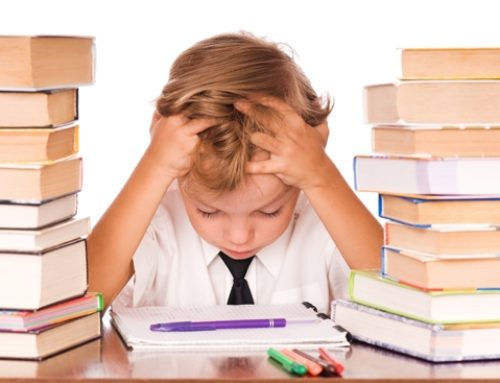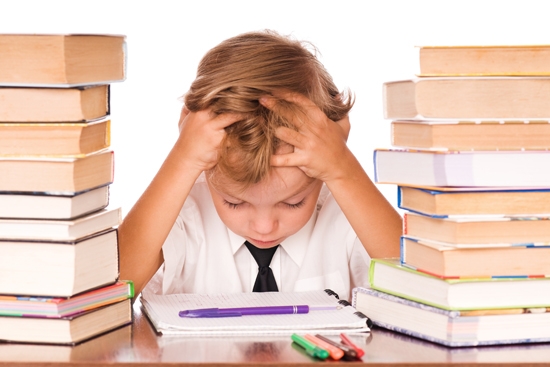
School phobia, sometimes called anxious school refusal, affects many children and teenagers. Behind the words “I don’t want to go!” there is often fear, stress or anxiety hiding. Understanding the causes of school phobia and adopting the right strategies helps parents support their child more calmly.
In a few days, thousands of pupils will be heading back to primary school, middle school and high school. While many of them can’t wait to see their friends again or a teacher they like, others put the brakes on at the mere thought of going back: “I don’t want to go!”
This refusal can worry parents, especially after a carefree summer. Understanding the reasons and adopting the right solutions is essential to help your child go through this moment more calmly.
Why do some children refuse to go back to school?
1- A bad memory from the previous year
A good place to start is thinking back over how the previous school year went.
-
Difficult academic results:
Were the results in line with the expected level?
Do you remember whether recurring learning difficulties held back your child’s progress? If that was the case, it’s easy to understand why they wouldn’t want to go back to an environment where they experience failure.
-
A strained relationship with the teacher
Do you remember your child often complaining about a teacher who scared them, or one who was too demanding or hurtful? Maybe you were called in several times by the head teacher?
-
Problems with classmates:
Do you remember your child often complaining about one or more classmates mocking them in class, or roughing them up at break time? Maybe they mentioned it to you but you didn’t think it was that serious? Maybe your child tried to talk to the school about it, but it wasn’t really taken into account there either? Bullying or isolation can create lasting anxiety.
A few keys to understanding:
-
Have you ever heard of the “learned helplessness” theory developed by Martin Seligman in the 1960s?
It refers to the fact that it’s easy to convince ourselves we’re “useless, lazy, incapable” if we hear it often enough.
I’ve lost count of the number of students who told me, at the start of the school year, that they were “hopeless” at spelling dictations. And, every time, I would answer:
“If there is one thing I forbid you to say, it’s that you’re “hopeless”! No one is!
In other words, if your child has convinced themselves they won’t succeed, they will inevitably lack self-confidence, not to mention self-esteem. And in that context, they may also take a stance of refusal towards schoolwork.
-
It’s also worth keeping in mind that our children’s brains won’t be fully mature before the age of 25.
This means that up to that age, it’s harder for them to analyse situations or step back from them. What seems trivial to us as adults can take on real significance for our children, and shouldn’t be dismissed. Since it’s also harder for them to regulate their emotions, we need to take that into account in how we communicate with them, and understand that a word or comment from a teacher could be poorly experienced.
2- Anxiety-inducing school transitions
Next week, your child moves up to CP (first year of primary school) or 6e (first year of middle school), or starts high school. As parents, you’re probably delighted for them, telling them how proud you are.
But what does your child think? Are they happy to leave nursery school behind and know they’re growing up, that they’ll play less and work more? Aren’t they worried about starting middle school, having to juggle a timetable, lots of different subjects and teachers? Aren’t they anxious about joining a high school with lots of students, especially large Year 11 (seconde) classes?
A few keys to understanding:
Here too, the idea is to reassure your child: tell them you are there to help and support them. You can also share with them that, as an adult, you too can face this kind of apprehension, for example when starting a new job. Don’t hesitate to share memories and anecdotes with them so they realise that you too were once a child, and that you managed to overcome your own fears.
3- Adjusting to a new school
Sometimes, it isn’t so much moving up a year that stresses your child. Perhaps you moved house, or for one reason or another, you enrolled them in a new school. They don’t necessarily put it into words, but are you sure they feel at ease with this change?
A few keys to understanding:
Indeed, our children don’t always dare to confide in us, for fear of bothering or worrying us. However, in the case of changing schools, perhaps you could plan ahead? Do the journey with them before term starts to scout out the location, travel times and means of transport. They will appreciate seeing the time you take for them, with them. That said, if they aren’t worried, don’t force it, or you risk them finding you “overbearing and stifling”!!
4- The difficult separation after the holidays
Summer is ending and you’ve just shared countless close moments with your child; you were available, you had time to play, to cuddle… Who could blame them for dreading the separation from their parents, for not wanting this happy interlude to end?
A few keys to understanding:
Going back isn’t always easy, for them or for you! You’ve gone back to work with everything that involves, they go back to school and sometimes come home tired and unsettled, often with homework to do…
To ease this transition, you could perhaps set aside a small special moment with your child every day, a moment when you are truly listening and available.
In summary: How can you help a child who doesn’t want to go to school?
- Listen without minimising their emotions.
- Look for the underlying causes (relational, educational, emotional).
- Work on their self-confidence through encouragement and recognition.
- Work together with the school (teachers, school psychologists).