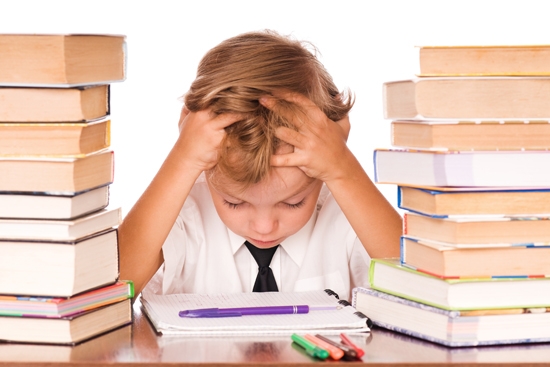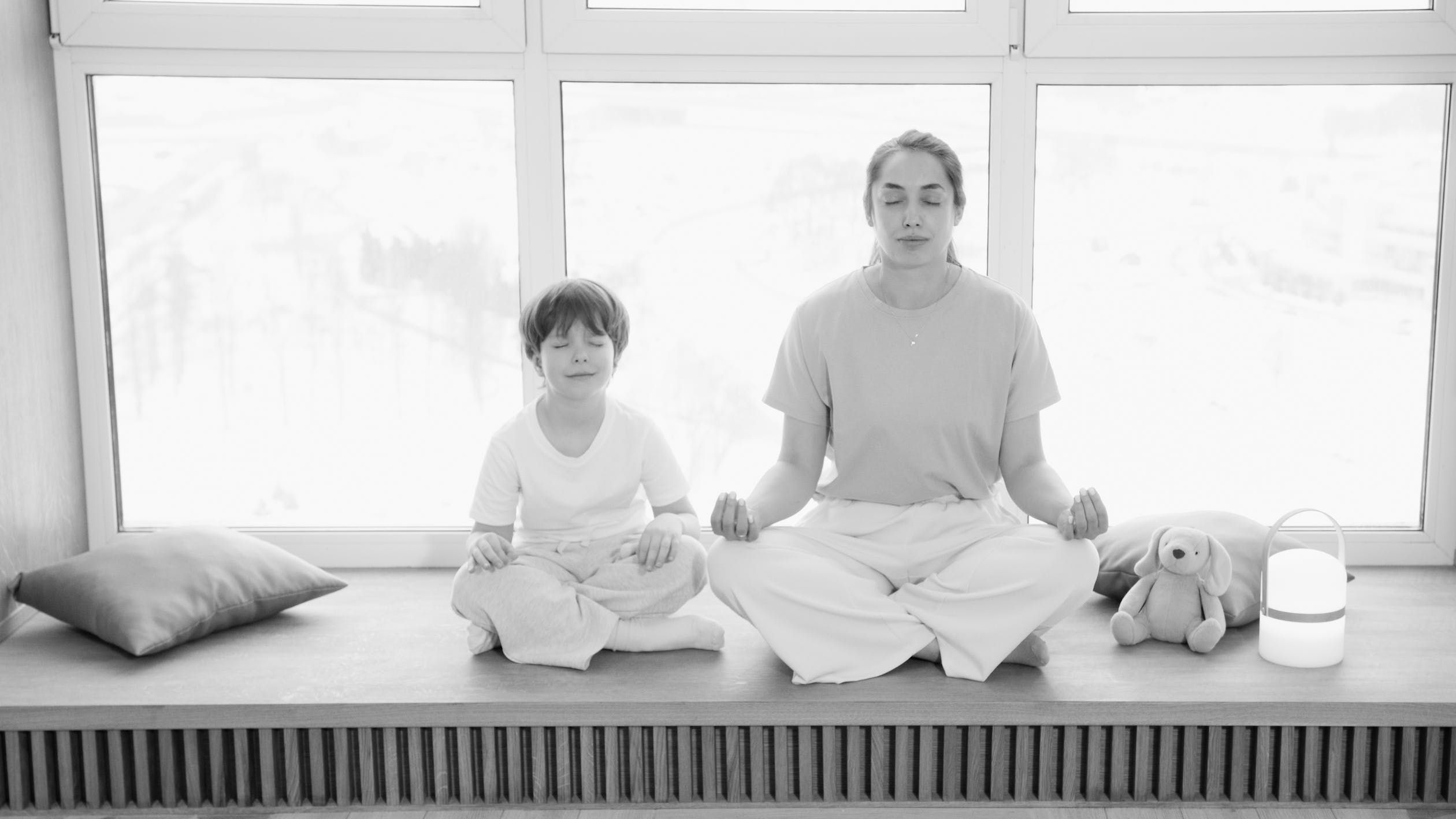
By training the mind to refocus on what matters, meditation helps achieve a calm mental state, along with self-control and good concentration. For children struggling with anxiety and stress, such as dyslexic children or children with Attention Deficit Hyperactivity Disorder (ADHD), it could prove particularly effective, as a complement to standard support for their difference (speech and language therapist, psychologist…). Much like sophrology and the Schultz method for relaxation.
The benefits of meditation for dyslexic and ADHD children
Meditation refers to our ability to bring our attention back to the present moment, without judgement, with kindness and full awareness. In practice, this means focusing attention on oneself or on an object of thought and concentrating the mind on it, to reach a state of fulfilment, both physical and psychological.
According to several studies, regular meditation practice strengthens the plasticity of the brain regions involved in emotional and attentional control. Yet dyslexic and ADHD children face pressure to perform due to their learning difficulties, which feeds their anxiety and stress on a daily basis. Meditation could help reduce these states, while offering them better emotional balance, also strengthening their confidence and self-esteem.
Breathing, the key to the present
By bringing our attention back to the movement of the breath, we ground ourselves in the present. It helps us step out of our heads, to better feel our bodies, sensing more precisely what is happening there, rather than focusing on what we think is happening or about to happen… The power of meditation, by connecting to our breath, is to bring us back to the here and now.
Just a few minutes of daily practice is enough to “train” attention and build concentration, influencing mood and judgement. With meditation, dyslexic and ADHD children better understand how their brain works, how it reacts to different triggers… They will learn to identify the tipping point that triggers their “mind wandering“, that point, different for each child, where attention gets hijacked by other thoughts.
Meditation, an effective complement to standard support
Given the many benefits of meditation for managing emotions and attention, dyslexic and ADHD children and teenagers can use it as a complement to standard support for their disorder.
However, since poor practice can worsen their difficulties, it’s strongly recommended to consult a professional specialised in DYS disorders, to get their opinion. Indeed, children with ADHD or dyslexia are often mocked by those around them, which contributes to emotional instability that needs to be managed with a thoughtful, meaningful response.
Don’t hesitate to contact a psychologist on the Ora-Visio platform to discuss whether meditation could help your dyslexic or ADHD child cope with these states.