Dermatillomania is a mental health condition: this destructive behaviour aims to remove the skin’s slightest imperfections, whether visible or merely felt. Made worse by anxiety, boredom or stress, it can also develop in people with neurodevelopmental disorders, Autism Spectrum Disorder (ASD) or Attention Deficit Disorder with or without Hyperactivity (ADHD).
Dermatillomania, an addictive, recurring and painful behaviour
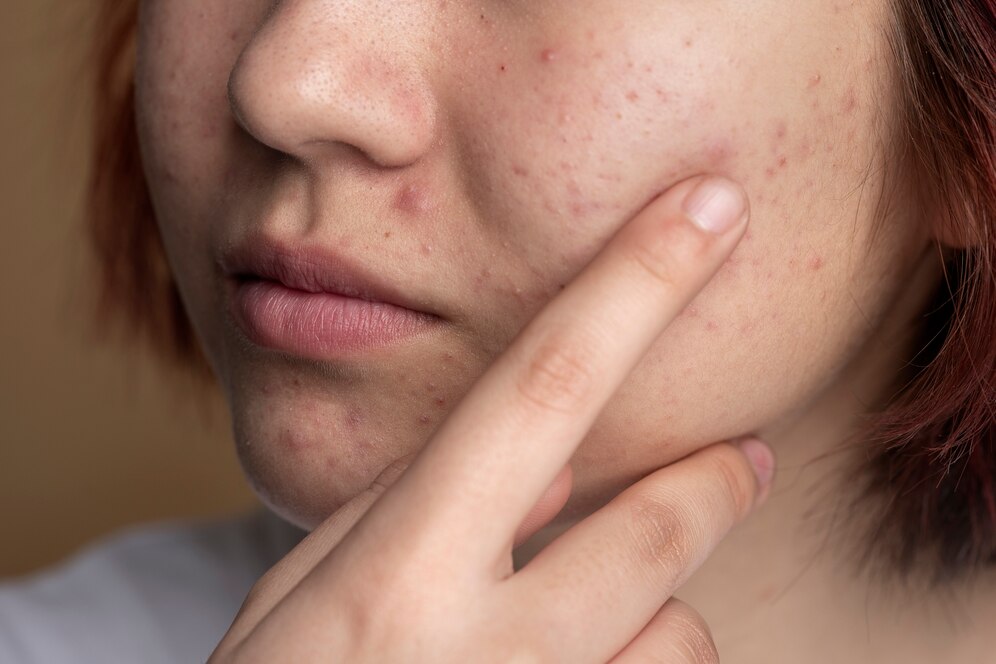
Dermatillomania involves repeatedly picking at the skin, to the point of causing lesions. The targeted areas vary from person to person: scalp, neck, face, shoulders, chest, stomach, hands, legs, etc. This disorder generally appears in adolescence and affects around 1.5% of the population, mostly women.
People with dermatillomania often have mild acne caused by anxiety. But they see it as far more serious than it actually is. They then try to “smooth” their skin, removing the slightest imperfection (blackheads, scabs, hairs, dead skin, scars…). Yet this impulsive, uncontrolled picking ends up creating new lesions. Not to mention that they won’t hesitate to use specific tools to better “purify” their skin (tweezers, razors, needles, blackhead extractors…).
Dermatillomania creates a growing feeling of tension before the picking, which then turns into pleasure, relief and satisfaction during the picking itself…
A way of relieving inner tension
While the cause of this condition has yet to be clearly defined, anxiety may be a driving factor: the compulsive ritual of dermatillomania could offer a way to compensate for inner tension, a way to release frustration. The skin then becomes the outlet for anxieties and unspoken feelings.
This destructive behaviour reflects poor emotional regulation, a lack of confidence or self-esteem, which is often found in children with ASD and ADHD.
Skin picking becomes a disorder when it affects the person’s personal, family and/or professional life: they avoid certain activities and miss out on others because of damage they can no longer hide.
Solutions for dermatillomania
Dermatillomania can be treated with Cognitive Behavioural Therapy (CBT) led by a psychologist. This approach focuses on reversing the habit by raising awareness of it, identifying the situations that trigger it, and using strategies to stop the picking. Note that hypnosis is also worth exploring to support behavioural change.
In cases of comorbidity (with ADHD, for example), this condition may also require medication and/or suitable dietary supplements to support the nervous system.
Finally, multidisciplinary care may include dermatological follow-up, relaxation sessions to relieve inner tension, and support around overall lifestyle habits (sleep, diet), to optimise the effects of psychological support.