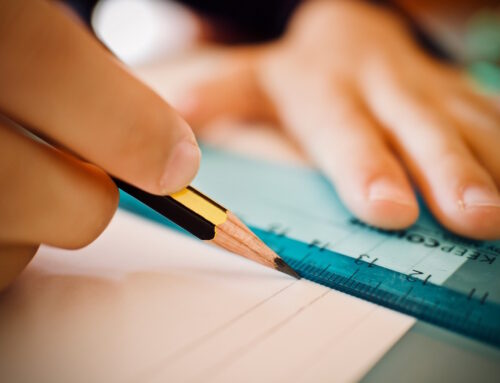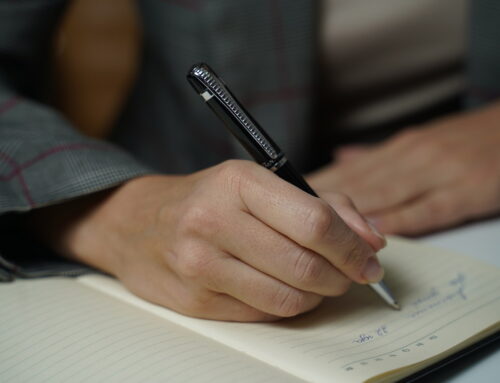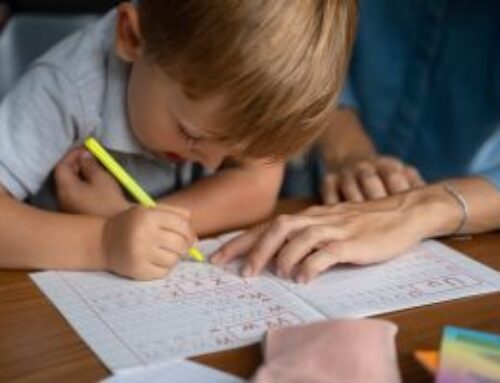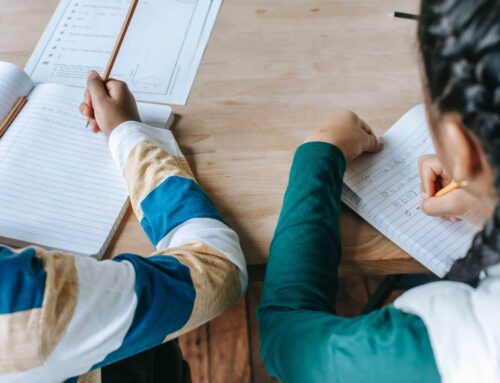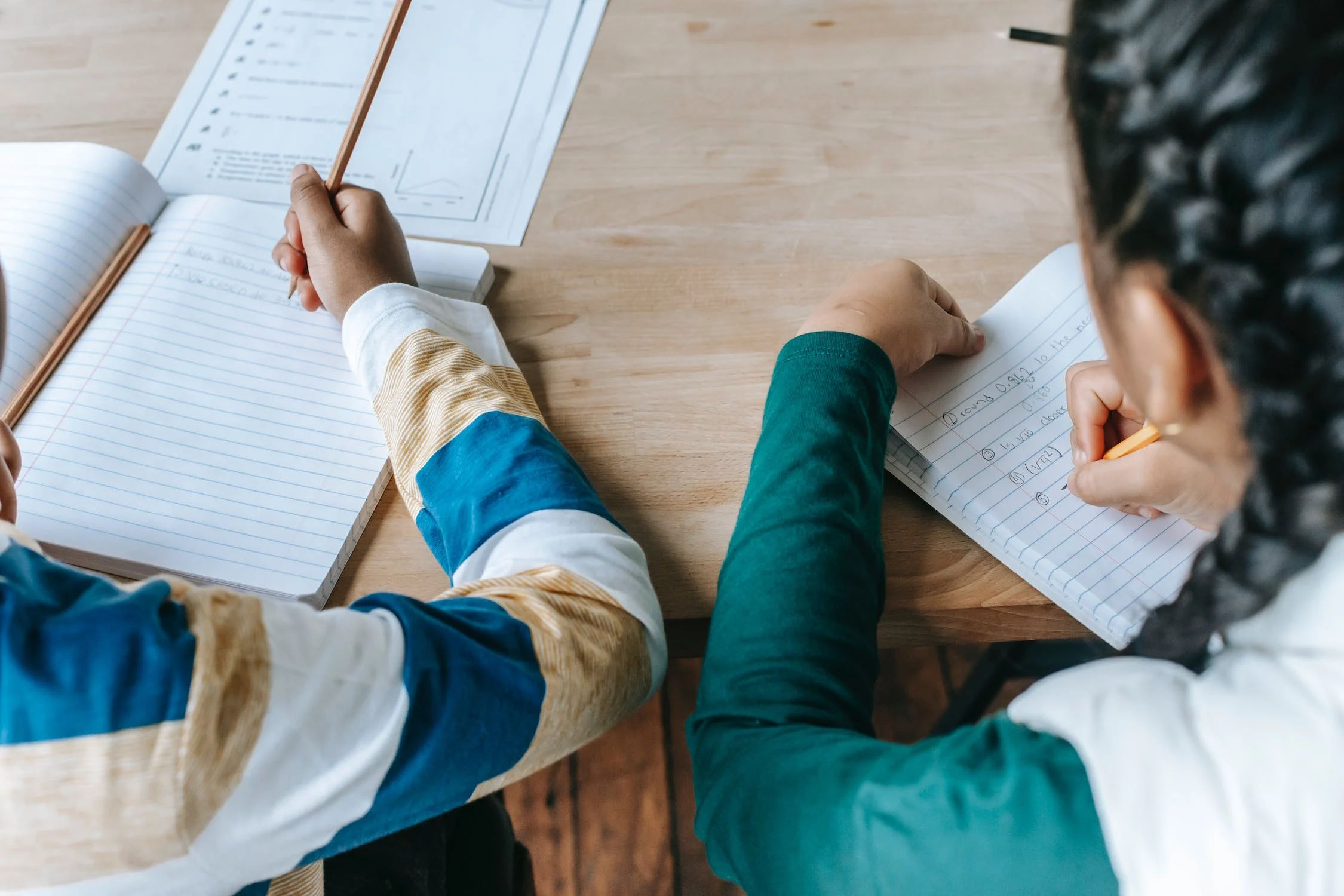
According to graphotherapists’ observations, the children they see increasingly have difficulty moving their thumb, even though grip and opposition movements of the thumb are performed correctly. Here’s a closer look at the thumb’s role in learning to write, its mobility, and the exercises designed to train and develop it.
Thumb motor skills in writing
Unlike the other fingers, the thumb has two phalanges, which articulate with the first metacarpal bone. Flexion and extension movements are driven by the intrinsic and extrinsic muscles of the hand, which allow precise gestures to be made.
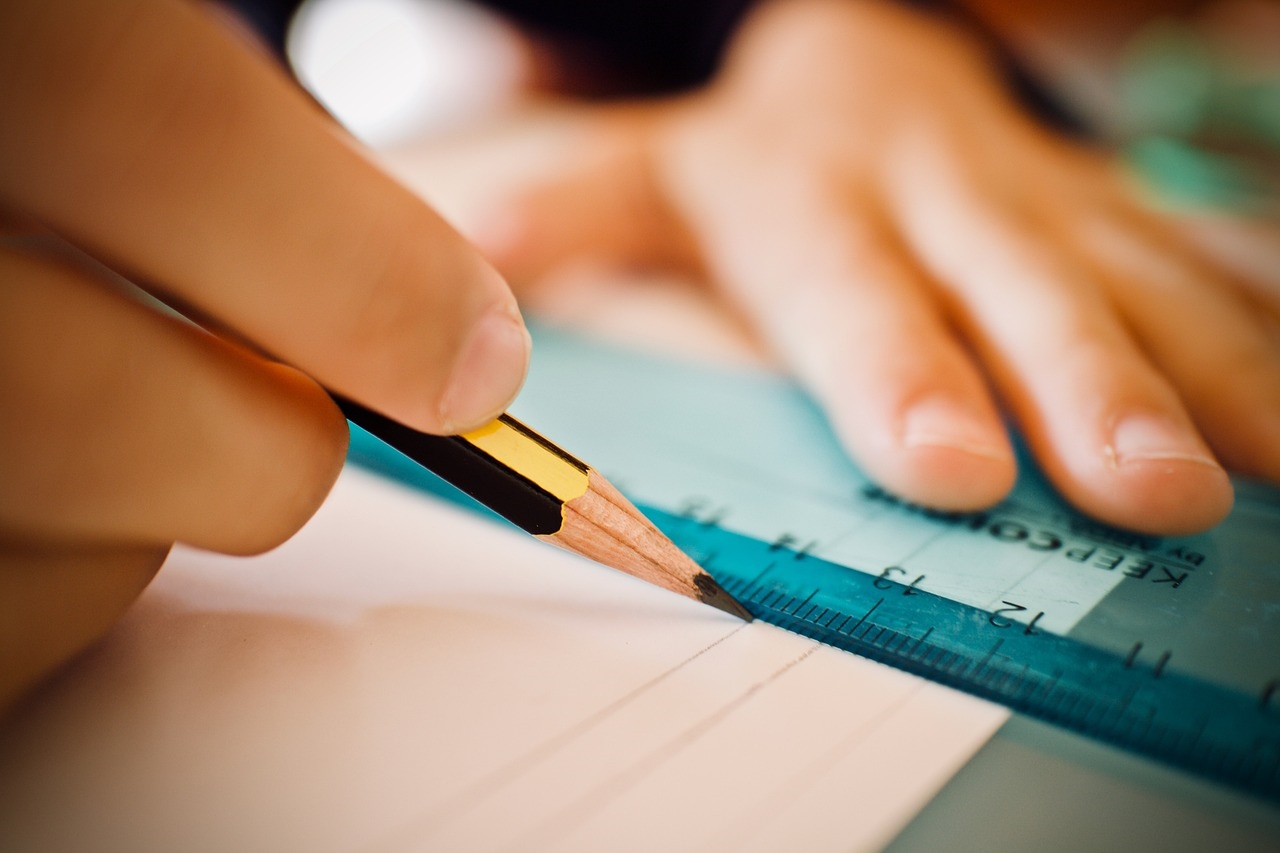
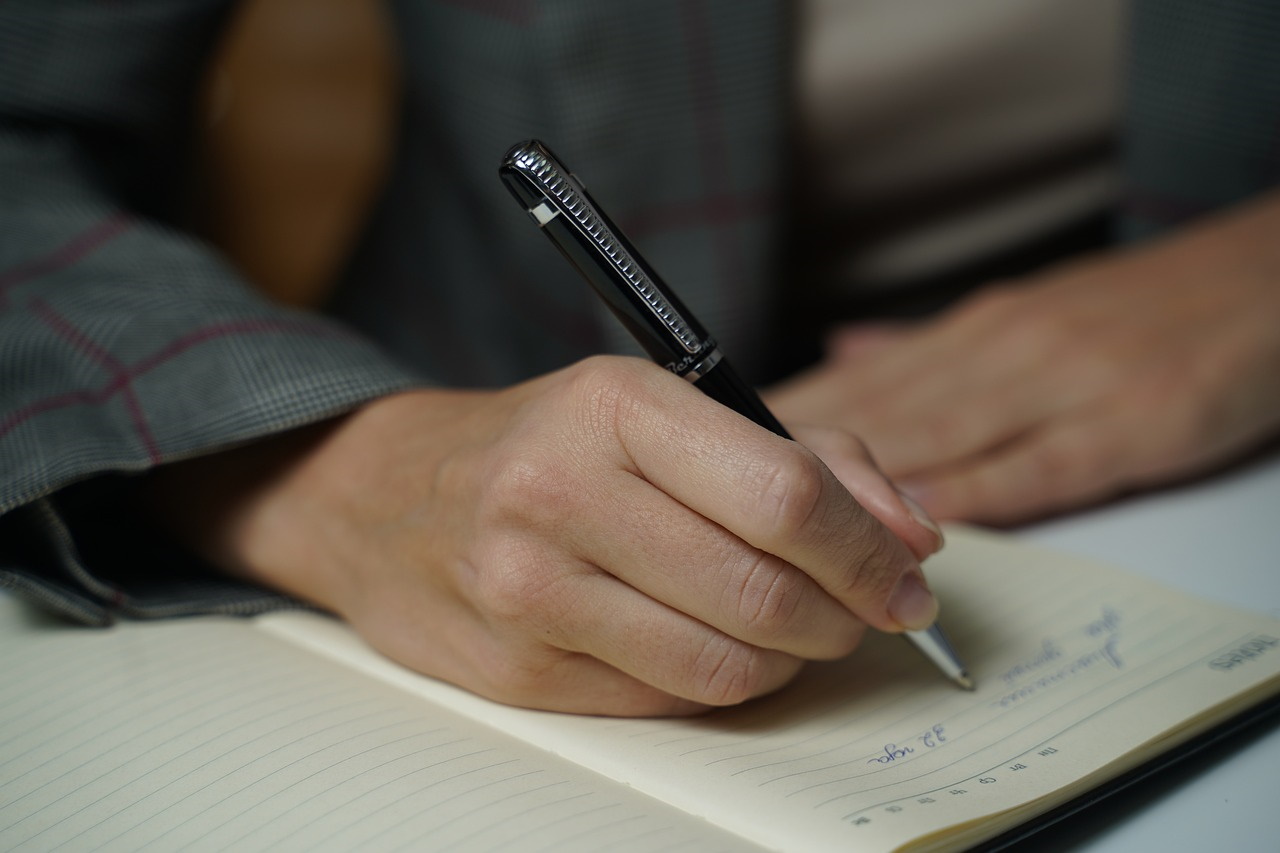
Yet the quality of handwriting depends directly on finger movement: once the pencil is properly held between the thumb and middle finger, it’s the flexion of the thumb that produces the up-and-down movements on the page. Combined with the lateral movement of the arm, this allows the basic shapes of cursive writing to be traced.
The wrist, overworked in children with difficulties
When finger motor skills aren’t developed enough, the wrist compensates for this gap: handwriting shows larger, less precise letter shapes. Not to mention that this movement is slower and can potentially cause pain, which may spread as far as the shoulder.
In babies, the grasp reflex influences the development of overall hand motor coordination, grasping, and holding objects such as a pencil. If this primitive reflex is not fully integrated, it can affect the handwriting gesture, creating tension or slowness. Like a pebble in a shoe, it doesn’t stop the child from knowing how to walk, but it forces them to find alternatives that are less than satisfying, or even uncomfortable.
Exercises used by graphotherapists
In cases of handwriting difficulties, a graphomotor assessment can highlight the areas that need work. As a general guide, your child has good thumb mobility if the pad of the thumb touches the pencil, if the thumb moves while writing while the wrist stays at rest, and if the handwriting is small enough with a clean, steady line.
If any of these points isn’t yet mastered, whether or not dysgraphia is involved, graphotherapists recommend small exercises to strengthen the finger muscles. The goal is to help integrate the underdeveloped grasping reflex. These fine motor activities can include: modelling clay, scrunching up paper, marble games, scoubidou/lanyard weaving, etc.
Of course, for a more precise and personalised assessment of your child’s difficulties, don’t hesitate to get in touch with a graphotherapist on the Ora-Visio platform: while they specialise in DYS disorders such as dysgraphia, they also help children without learning disorders overcome their difficulties with handwriting.