If expatriation is a wonderful opportunity for children, for their mother tongue it’s a different story! For young French children born abroad or expatriated at a very young age, learning or maintaining French doesn’t come naturally. What options do parents have to build strong bilingualism?
Teaching French to an expatriate child
Within their school
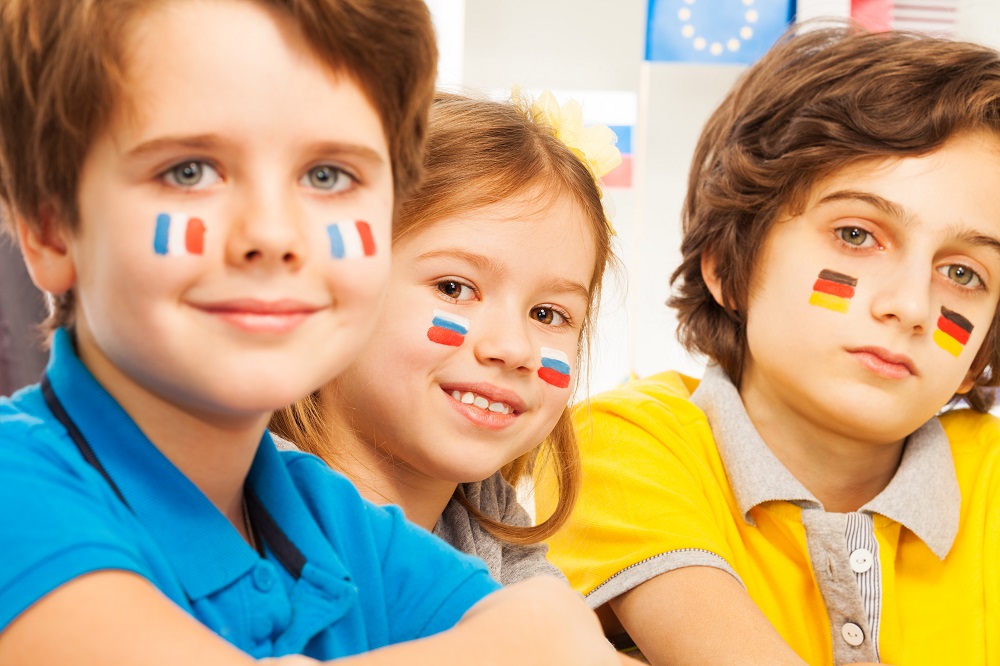
The place of French in schools abroad varies depending on the country and neighbourhood. In a standard local public school, only the local language will be taught. Full marks go to public or private schools that offer bilingual classes. As for international schools, they keep English as the main language regardless of the country, with a possible French option. In every case, without French at school, French will be difficult to acquire or maintain. Learning outside school will be necessary.
At home
Several strategies can help practise French as a family. The OPOL method (One Parent One Language), which gives a framework to mixed-language parents. MILAH (Minority Language At Home), which gives priority to the language the child uses least so they make it their own at home. These strategies can of course be adapted to make them feel as natural as possible.
Good methods for working on French
Every parent has the ambition of raising bilingual children. But reality is more complicated. It isn’t easy to find the time needed to work on this consistently. Parents aren’t always objective, and tension can get in the way. Watch out too for the costly option of a private French tutor abroad.
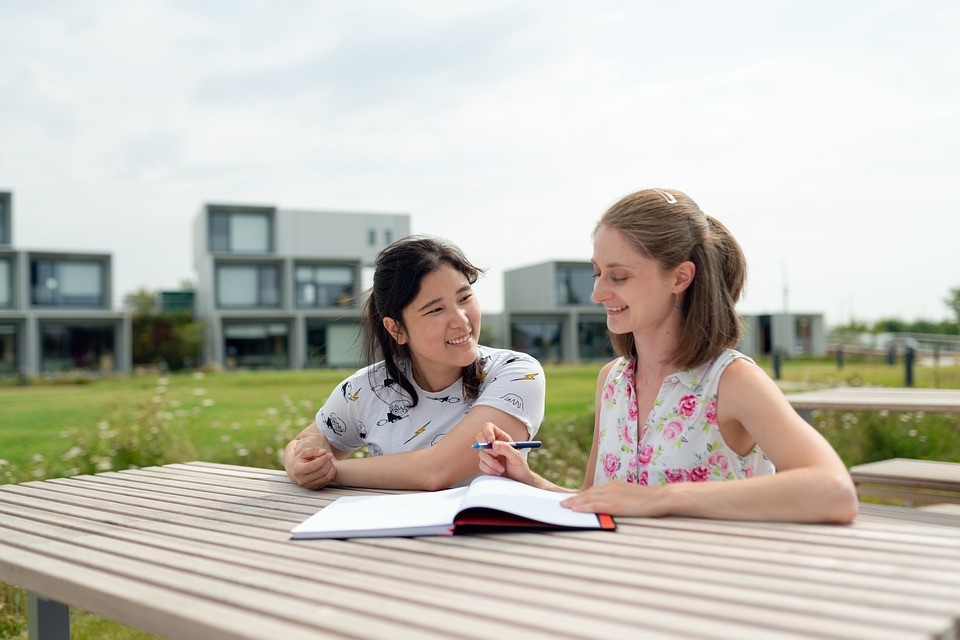
Group classes: Rather enjoyable and playful, these weekly classes mix ages and levels and cost relatively little. Unfortunately, they won’t be enough on their own to maintain or learn French to a satisfactory level.
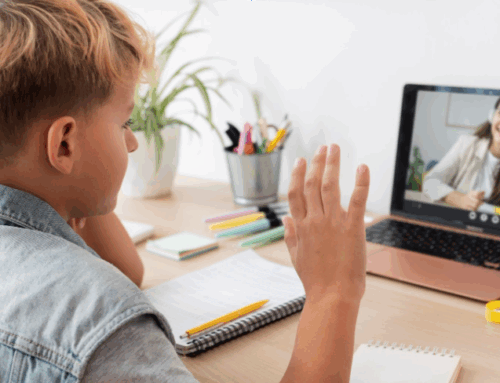
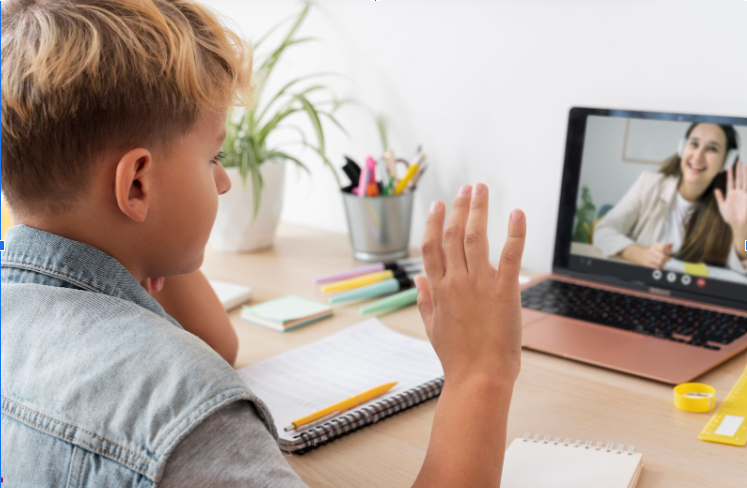
Private lessons: Tailored to the child, this kind of French lesson requires a private tutor. At home or remotely, notably via the ORA platform, the tutor adapts their teaching to the child’s age and level. With an online French tutor, consistency is as well respected as with a school class. A qualified French-speaking teacher will always be available, even after a move. The many benefits of these private online lessons are a guarantee of success.
Distance-learning courses: These are organisations such as the CNED, Cours Griffon, Cours Legendre, Pass-education… aimed at expatriate children already in school. This method requires real commitment from both students and parents. Strong motivation is nonetheless needed.
Homeschooling: When parents themselves handle teaching French to their expatriate children. Before age 5, French is passed on orally. By practising a little each day, it will be more easily acquired. For reading and writing, some methods work well: La librairie des écoles, the Ratus et ses amis method, les Alphas, J’apprends à lire avec Sami et Julie, the Boscher method or Léo et Léa. For children with learning difficulties or DYS disorders, the Dys-positif website.
Learning or maintaining the French of expatriate children should ultimately draw on several of the methods mentioned above, so that learning stays enjoyable and the results satisfying.
A few useful links:
https://www.fondation-alliancefr.org/
https://www.institutfrancais.com/fr