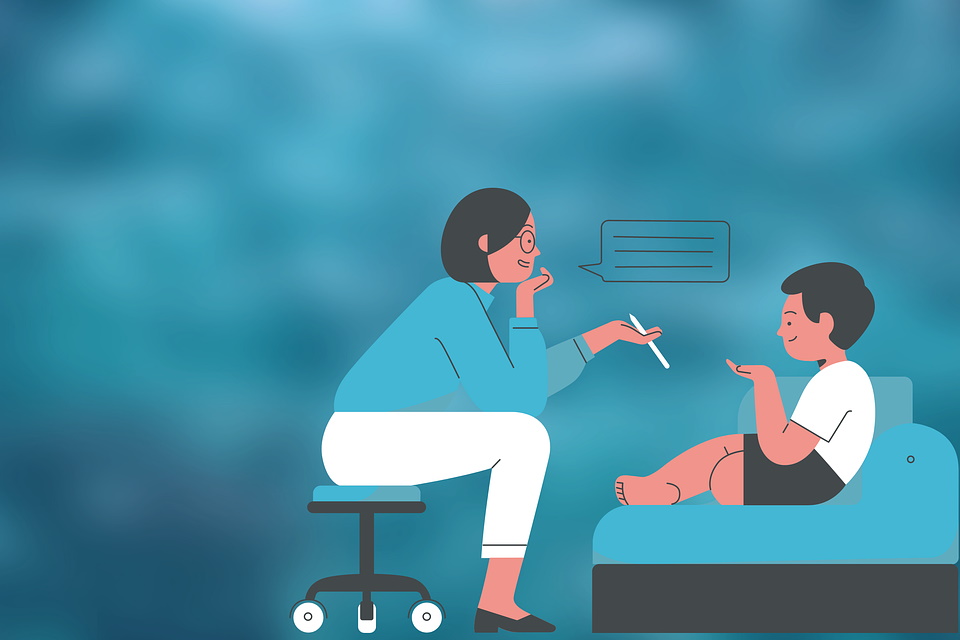
A learning disorder affecting reading and writing, dyslexia traditionally appears in children and adolescents. While the approach to managing it depends on the specifics of each case, several specialists can offer solutions of their own. Beyond the universally recognised speech and language therapist, the psychologist, orthoptist, child psychiatrist, and occupational therapist can also support the child in managing their disorder.
The speech and language therapist, at the heart of dyslexia care
Speech and language therapy is the cornerstone of managing this learning disorder: recognised by scientific authorities, it is built around training the child’s phonological skills, reading remediation (using approaches different from those used at school), and setting up compensation strategies to work around the difficulties.
The psychological approach, to support the dyslexic child
A source of discouragement, dyslexia influences the child’s behaviour, particularly in social settings. By picking up on how the child feels, the psychologist or neuropsychologist looks for the origins of the disorder and uses role-play to identify the child’s reactions in certain contexts. This understanding then helps them support the child in adapting their behaviour to daily life.
A child psychiatrist can act as an intermediary between the family and the specialist in charge of the remediation. On one hand, they explain the technical details in plain terms for parents; on the other, they relay the needs and expectations expressed by the family to the treating doctor. Where needed, they can consult another professional and prioritise treatments.
The orthoptist, relevant for neurovisual disorders
A specialist in eye movements, the orthoptist can detect disorders of visual perception, an early warning sign of dyslexia. Beyond helping with diagnosis, their sessions can focus on eye-hand coordination, control of eye movements, and letter recognition, to help the child develop their convergence abilities (the synergy of both eyes’ movements).
The psychomotor therapist, to work on posture and handwriting
Using exercises adapted to dyslexic children (relaxation, rhythm games, coordination games, balls, puzzles…), the psychomotor therapist helps the child become more aware of their body. They work on the child’s posture to give them a certain stability, both in movement and at rest. A stable posture reduces energy expenditure and makes it easier to concentrate. When it comes to writing, they pay close attention to pencil grip and the non-dominant hand, to limit tension as much as possible…
The occupational therapist, to build the child’s independence
Finally, as part of a multidisciplinary assessment for dyslexia, the occupational therapist can step in to work on praxis, that is, relearning the child’s coordinated, voluntary movements. This specialist teaches the child to handle everyday objects and manage their spatial organisation, supporting them through the process of social reintegration and independence. They can also advise parents on which sport to practise to help compensate for this disorder.