A written-language disorder, in the same category as dyslexia (with which it is often associated) and dysgraphia, dysorthographia shows up as confusion and reversal of sounds and letters, as well as syntax and spelling errors. Fortunately, there are suitable teaching accommodations for these children, so they can follow core learning and get the most out of their time at school.
The difficulties faced by a child with dysorthographia
Dysorthographia is a learning disorder centred on writing. Unlike dysgraphia, whose difficulties target handwriting itself, the child struggles with encoding text, meaning spelling, grammar, homophones, word segmentation, and so on.
Behind the phrase “they just can’t spell” may lie a child with dysorthographia. They don’t absorb the rules and may spell the same word differently from one line to the next. Spelling that is entirely random and built phonologically. It can sometimes be hard to decipher the word a child meant to write: you have to read it aloud to grasp its meaning. So focused on this difficulty, a child with dysorthographia forgets agreement, verb tense consistency, or syntax.
Note that a child with dyslexia always also has dysorthographia, whereas the reverse isn’t necessarily true. In every case, the full extent of the child’s difficulties must be taken into account when designing suitable teaching accommodations.
School accommodations for dysorthographia
At school, dysorthographia, whether or not combined with dyslexia, causes significant fatigue. Much like the intense concentration needed during the first hours of driving, when you have to keep track of the road, the wheel, the pedals, the instructor’s comments and the highway code all at once. Except here, the effort doesn’t ease off over time, it demands the same constant attention, day after day.
To support a child with dysorthographia through their schooling, it helps to limit handwritten work and texts, favouring audio and typed text in a suitable font. Prone to boredom and discouragement, it’s best to promote engaging, meaningful exercises.
It’s important to first get a diagnosis from a speech and language therapist, to officially establish the disorder(s) involved (potentially several DYS conditions together) and their severity. Healthcare professionals can then approach the teacher about school accommodations, alongside professionals such as occupational therapists.
Tailored school-support sessions
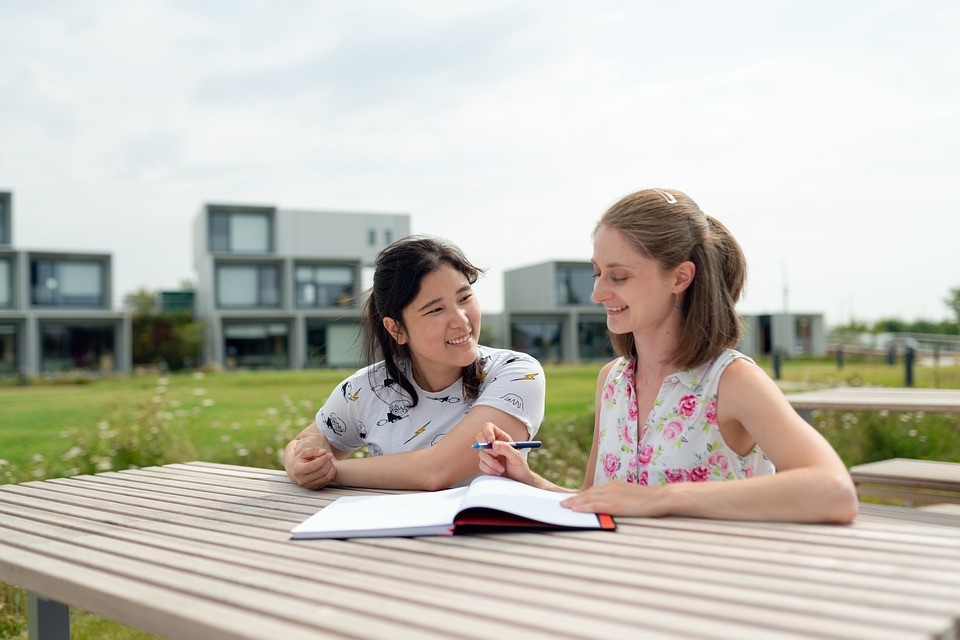
As part of school support, sessions should never feel like extra homework: they need to quickly come across as a tangible benefit for the child and their wellbeing.
They take the form neither of a formal lesson nor of compulsory homework; instead, they are built around helping the child take ownership, using self-correction tools and partly independent writing. All of it interspersed with breaks, moments of connection, and time to unwind.
Don’t hesitate to reach out to a professional on the Ora-Visio platform, to organise school support tailored to your child’s difficulties with dysorthographia. With their help, your child will learn to manage their condition and approach it with confidence.