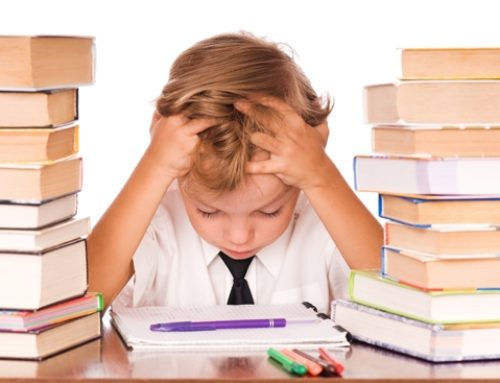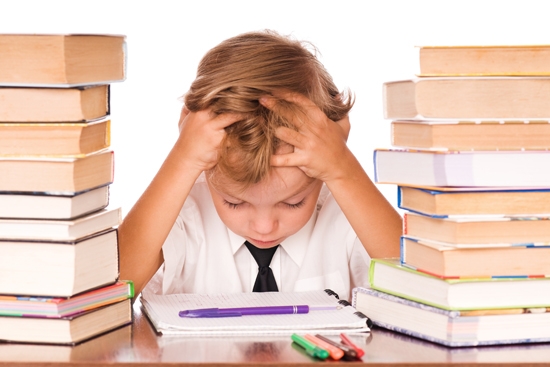
Since 2005, learning disorders, dyslexia, dyscalculia, dyspraxia, dysgraphia… have been recognised as disabilities. While the school system unfortunately remains poorly suited to their atypical profile, children with DYS disorders learn, sometimes painfully, to work around their difficulties, giving rise to personalities that are often quite exceptional, with qualities born or built from the obstacles they’ve faced…
Personalities shaped by DYS disorders
To this day, DYS disorders and their many nuances remain far too little understood. For example, dyslexia can’t be reduced to swapping letters around or a memory or spelling problem, because the reality is far more complex. For instance, Erin Brockovich suffered from dyslexia from early childhood, yet could memorise numbers written on a page after reading them just once.
Today, it’s clear that many well-known figures from all walks of life have had a DYS disorder: Albert Einstein, Pablo Picasso, Jules Verne, Steven Spielberg, Lewis Hamilton, Steve Jobs, Mika, Johnny Hallyday, and others. While many of them struggled with this disability, attitudes towards DYS disorders are changing: this atypical brain is increasingly being seen as a strength, when used effectively…
Did you know that one study found that 35% of American entrepreneurs have a DYS disorder? This figure highlights a profile of individuals who know how to take risks, who are used to falling and getting back up, and who manage to turn a weakness into a strength… A strength born from the obstacles faced since their earliest childhood, particularly at school…
The great qualities born from their obstacles
Whether on their own or supported by a professional (speech and language therapist, psychologist, occupational therapist, graphotherapist…), children with DYS disorders quickly learn to develop compensatory abilities to work around their difficulties. Shrewd, strategic skills that make daily and/or school life easier.
Children with DYS disorders generally show remarkable tenacity and unwavering perseverance. Constantly facing difficulty, they also tend to have a pronounced sense of empathy for others, which makes them attentive and understanding, more so than average. Finally, while they may struggle at school, they’re often very comfortable speaking, easily connecting with others.
All of these qualities make children with DYS disorders natural leaders: their powers of observation, communication skills, and sociable nature are all real assets for becoming great business leaders one day…
Psychological support to build on these strengths
Nowadays, the main goal is to allow children with DYS disorders to grow up in a supportive environment, where their differences are recognised and valued.
Yet the school system remains poorly suited to their inclusion, marking their journey with painful obstacles to overcome. Until practices evolve, don’t hesitate to consult a psychologist to work on confidence and self-esteem, key pillars of personal development.
The Ora-Visio platform gives you access to professionals trained in the challenges faced by children with DYS disorders: book an appointment with an online psychologist and let your child judge for themselves whether this support suits them and helps them progress!