How can we protect the mental health of children with a neurodevelopmental disorder (NDD)? Discover our advice, courses of action and resources for caring, inclusive support.
On the occasion of World Mental Health Day, marked every 10 October, it’s essential to remember that every child has the right to thriving mental health, including those with a neurodevelopmental disorder (NDD).
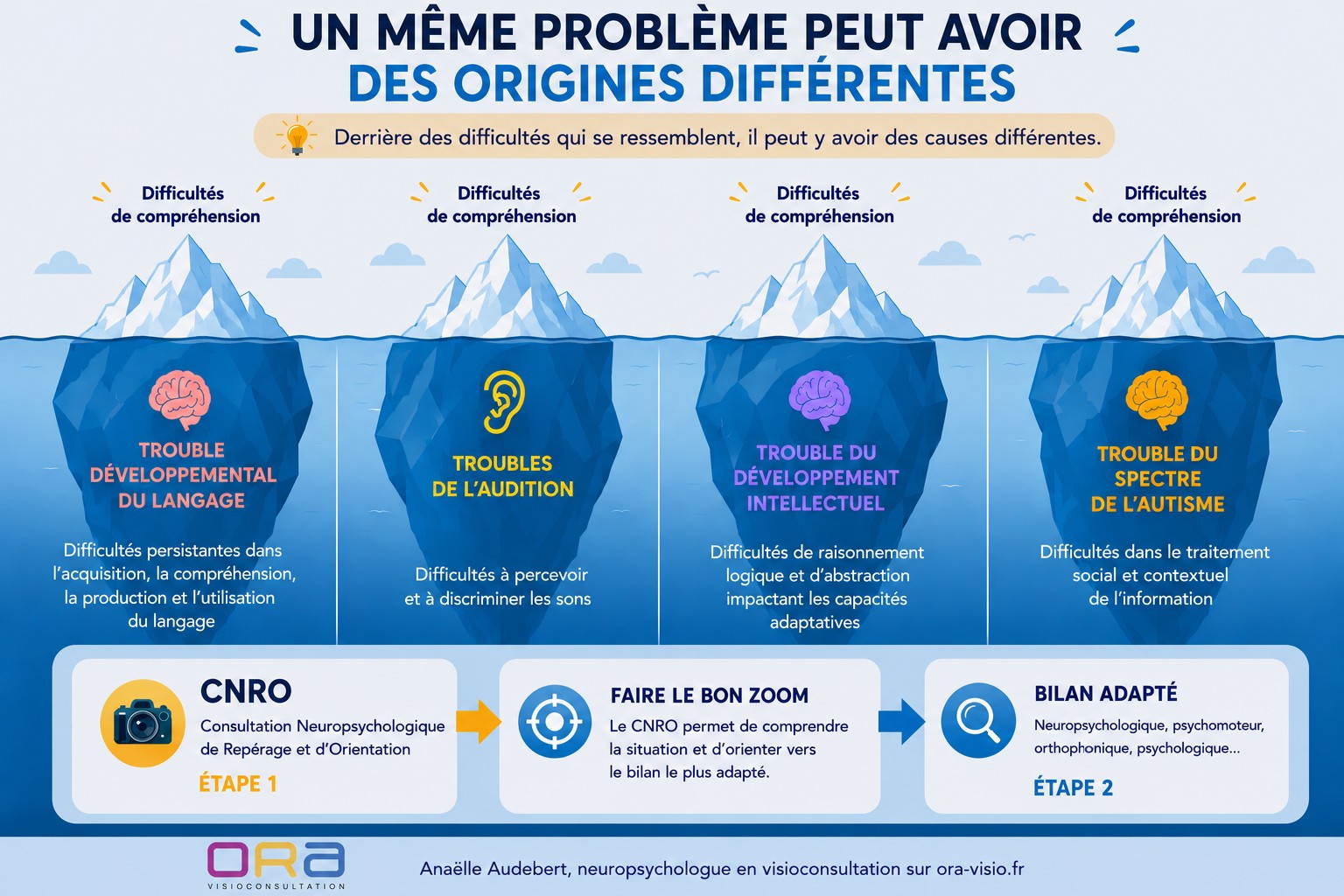
Autism, ADHD, dyslexia, dyspraxia, language disorders… These visible or invisible differences affect the way a child perceives the world, learns, communicates and interacts.
But beyond the disorder, there is above all a child in search of balance, understanding and recognition.
1. A worrying picture
According to the World Health Organization (WHO), one in seven adolescents worldwide suffers from a mental disorder, often anxiety or depression.
In France, the figures are just as alarming: hospitalisations for psychological disorders among young people have risen sharply since the COVID pandemic.
The causes are numerous:
- School pressure and fear of failure,
- Bullying, particularly online,
- Social isolation,
- Lack of family listening and stability,
- Overexposure to screens and social media.
2. Mental health, a pillar of development
Mental health is a person’s ability to manage their emotions, build healthy relationships and adapt to life’s challenges.
Early support can make all the difference. Professionals stress the importance of:
- Expressing emotions at home and at school,
- Learning to manage stress,
- Maintaining a good balance between physical, academic and digital activities.
3. And with an NDD?
NDDs affect around one in ten children. They are not the same as mental illness, but they can weaken psychological wellbeing if not supported appropriately.
Many children with an NDD develop, over time, anxiety, a sense of failure, or even depressive disorders. They are indeed confronted with
-
difficulties adapting at school due to: unsuited teaching content, long hours seated, double or even triple task-load, cognitive overload…
-
a lack of understanding from peers, mockery, humiliation, school bullying
-
sometimes stigmatising looks in their daily life: in the street, in shops, from people around them
-
and daily sensory or emotional overload: too much noise, too much information, too much light, crowds…
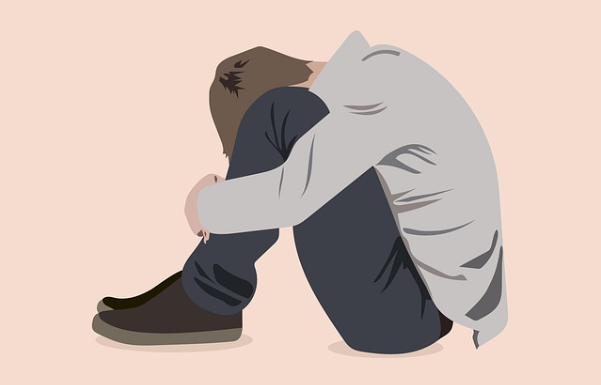
This build-up can lead to intense mental fatigue, or even withdrawal. The child loses self-confidence, disengages, and may develop an anxiety disorder or school phobia.
4. Mental health and NDD: the risk factors
The mental health of a child with an NDD depends heavily on their environment.
Risk factors include:
-
school pressure,
-
a lack of teaching accommodations,
-
a lack of understanding of the disorder among adults,
-
and difficulty expressing their emotions.
Early, caring support coordinated between parents, teachers and professionals can reduce these risks and protect the child’s psychological wellbeing.
5. How to support the mental health of children with an NDD?
The psychological wellbeing of young people with an NDD is built around four essential pillars:
-
A caring, structuring environment at home and at school;
-
Positive social interactions, valuing progress rather than mistakes;
-
Recognition of each child’s strengths and talents – creativity, verbal expression, perseverance;
-
Coordinated support between families, teachers, speech therapists, psychologists, psychopedagogues, etc.
Every child with an NDD has their own way of functioning. Offering a space for listening and emotional safety means letting them feel understood and valued.
6. The key role of parents, teachers and professionals
Adults play a major role in the mental health of children with an NDD. Here are some practical approaches:
-
Listen actively: your child needs to know they can confide in you without fear. As a parent, it isn’t always easy to listen to your child, whether due to lack of time or difficulty understanding their distress. Still, your child needs to know you are there for them, that you are their reassuring, secure attachment figure. And it’s entirely reasonable to seek help from professionals, especially since, as we well know, our children don’t always want to confide in their parents.
-
Value rather than correct: positive reinforcement is fundamental, particularly for children with ADHD.
-
Adapt expectations: take into account fatigue and specific needs.
-
Collaborate: encourage communication between family, school and therapists.
-
Train and inform: raise awareness of NDDs among teachers, teaching assistants (AESH) and educators to avoid misunderstandings and unsuitable practices.
Ongoing training for education professionals is an essential lever for a more inclusive school system.
🗣️ Valuing neurodiversity: listening to and including young people concerned
Children and teenagers with an NDD often express the need to be listened to without being reduced to their diagnosis.
For them, the hardest part isn’t the disorder itself, but how others see them.
Valuing neurodiversity means recognising that our differences are strengths, not weaknesses.
More and more organisations (in France: CAMSP, CMPP, CMP, coordination and referral platforms, “1000 first days” family centres) offer holistic support.
Platforms such as ORA-visio also make it easier to access qualified professionals (psychologists, psychopedagogues, sophrologists) online, for adapted, accessible support.