Far from viewing DYS disorders as a pathology, speech therapist Béatrice Sauvageot prefers to speak of a different brain wiring or an unexplored form of intelligence. Founder of the association “Puissance Dys”, she has developed a method to unlock this potential. It is based on therapeutic and educational techniques built around the idea of enjoyment. Awarded a prize by the Fondation de France, it is now available in a digital version, through the Dysplay app.
Béatrice Sauvageot, an empathetic response to the pain of disability
Born in Nice, Béatrice Sauvageot grew up in Abidjan and dreamed of “becoming a journalist, a clown and a musician”. At 18 months old, she contracted polio, which left her with lasting effects in her leg. “Like people with DYS disorders, I move through a world that wasn’t designed for me,” she would later say in an interview for Madame Figaro published in January 2019[1].
She discovered dyslexia through her babysitter from Burkina Faso: he spoke 7 languages, but could not manage to learn to read and write. On returning to France at the age of 8, she did not like school, but her African childhood gave her a love of sounds, languages and music, which drew her towards studying to become a speech therapist.
After working in private practice for a year, Béatrice Sauvageot quickly saw that the classic methods didn’t work, or worked poorly. Having never seen dyslexic children as ill, she also couldn’t understand this urge to “cure” them at all costs. In the midst of this professional confusion, a fellow speech therapist at the practice told her, “instead of changing profession, change the profession.” A turning point.
The “Puissance Dys” association: helping DYS children break free from failure
In 1992, Béatrice Sauvageot founded the Puissance Dys association with the writer, neurologist, linguist and poet Jean Metellus. Surrounded by scientists, artists, teachers and therapists, she created a playful method, blending music, singing, dance and laughter.
“I build on awakening the senses and bring enjoyment back into learning to read and write. A person with DYS can only learn through movement. They see the world in a spatial, graphic way, like Leonardo da Vinci or Rodin, who were themselves dyslexic. When DYS children come to see me, I don’t point out their weaknesses; instead I give them an assessment of their skills and strengths, which the remediation work will then build on. Each therapy is tailored to the child’s personality and needs,” she explains, describing her distinctive approach.
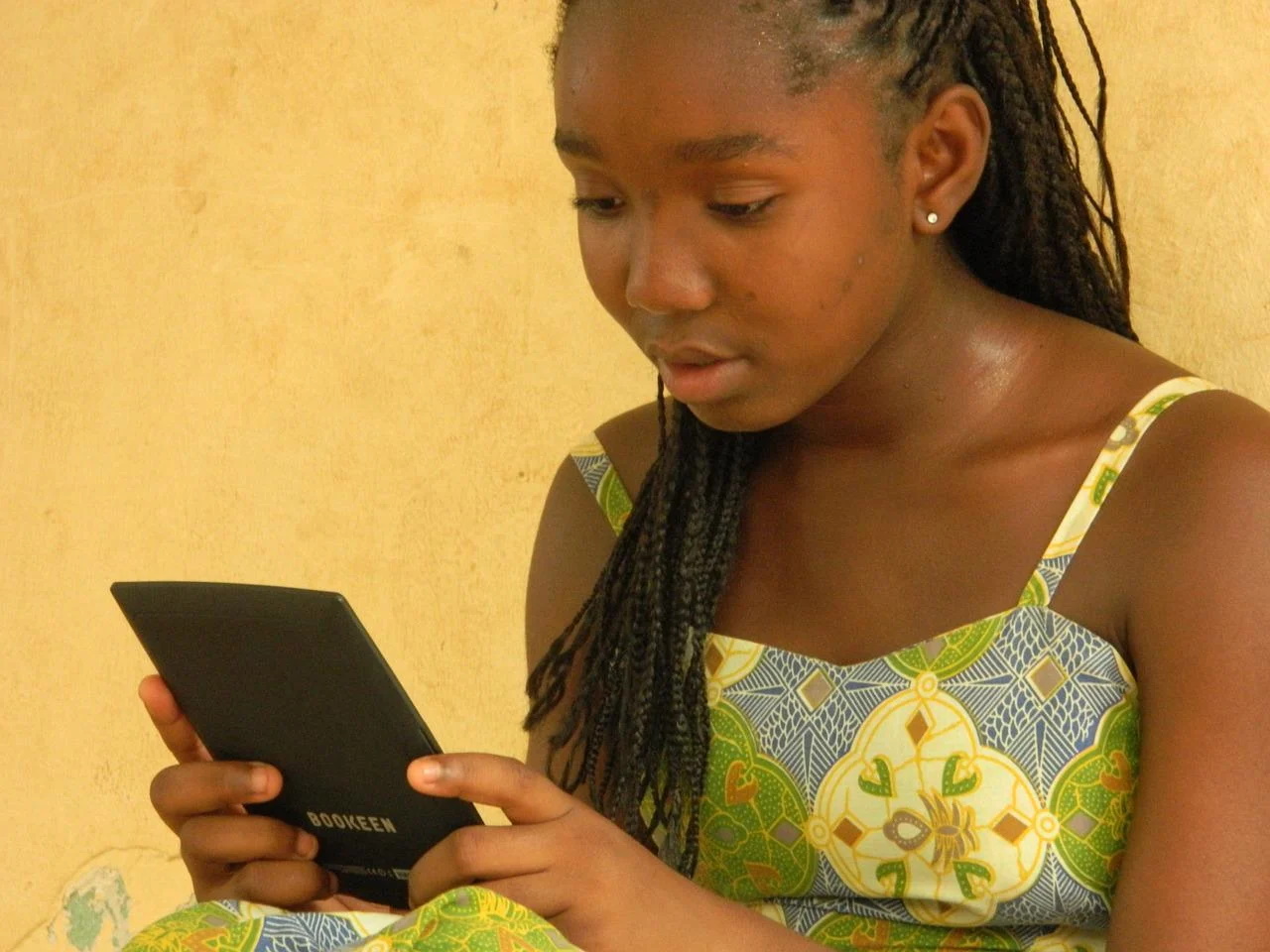
Béatrice Sauvageot has developed a neurological alphabet and language, called Bilexie, available in Word, which allows dyslexic children to read straight away. Their progress is spectacular: they then become fully aware of their own potential and the richness of their personality.
Today, her method is also available in a digital version, Dysplay, to diagnose and support DYS children as early as possible. Made up of around a hundred questions, it offers free, reliable and quick screening, “sorting” children who are simply behind from those with genuine DYS disorders.
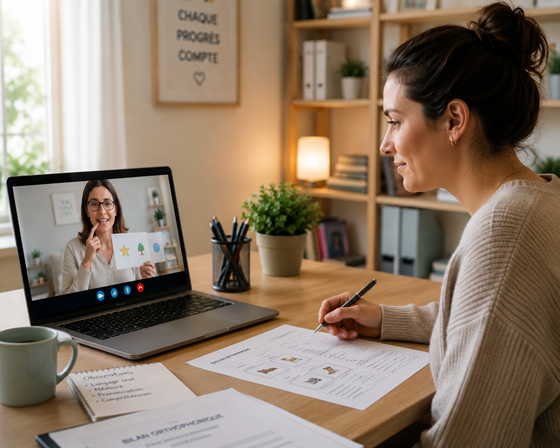
Feel free to discuss Béatrice Sauvageot’s method with an online speech therapist on the Ora-Visio platform! Our professionals can help explain this distinctive, but resolutely positive, approach.
[1] Source of the quotes used in this text: https://madame.lefigaro.fr/business/beatrice-sauvageot-lorthophoniste-qui-revolutionne-traitement-dyslexie-220119-163260