1/ What is homeschooling?
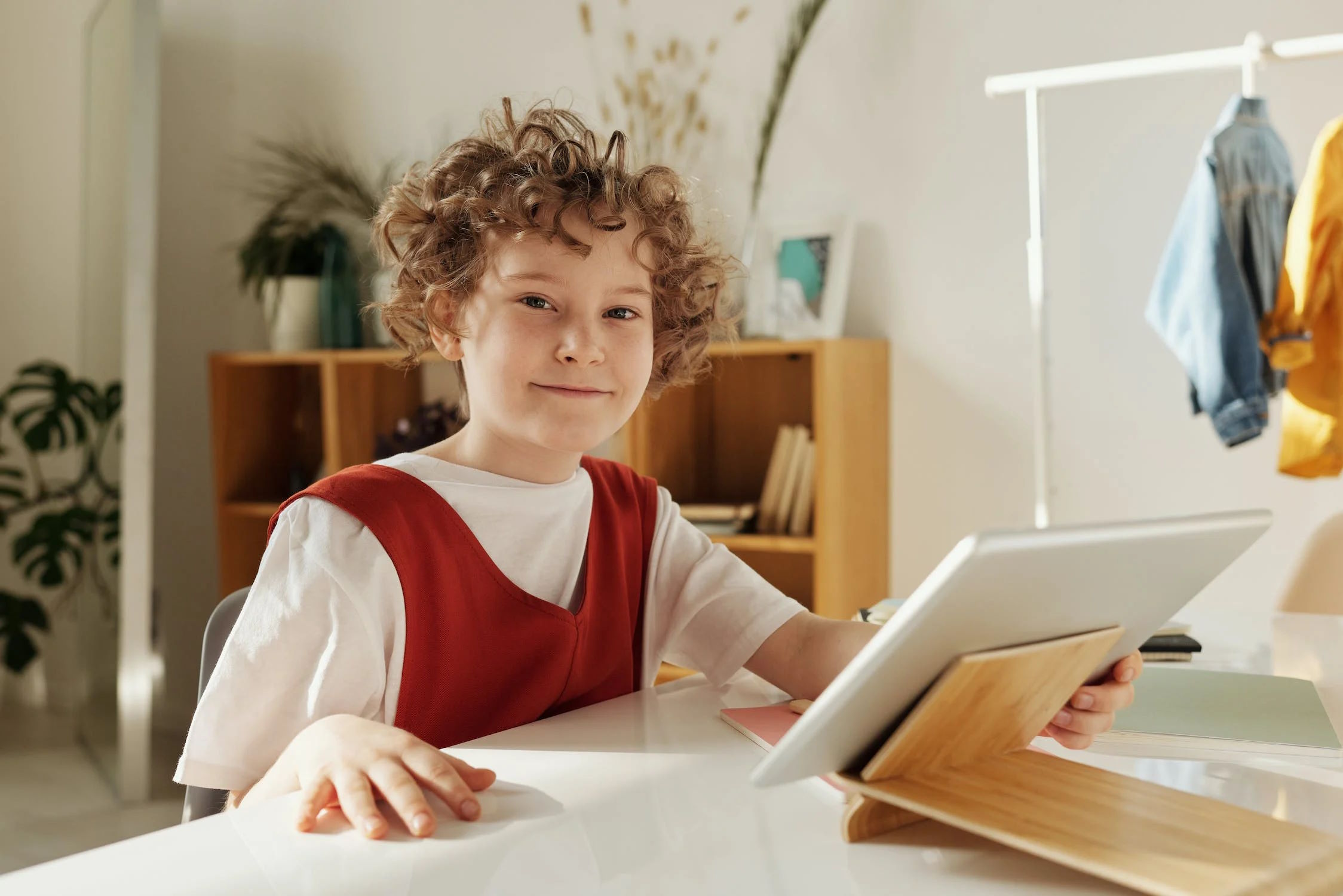
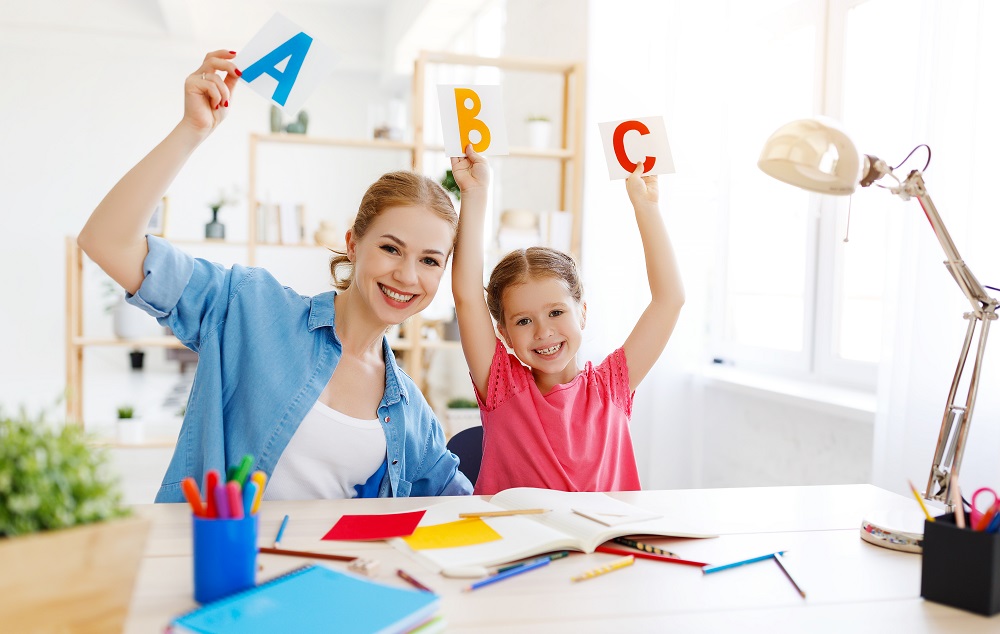
It’s a school, but without a classroom and without a teacher! More precisely, homeschooling is a form of education provided by a parent or a close relative of the child. Choosing to homeschool can be motivated by a range of reasons. Parents disappointed with public or private schooling, health reasons, or autism (PDD, ASD, Asperger’s) can all lead families to want teaching that’s closer to their children’s needs.
That said, homeschooling (known in France as “IEF”, Instruction En Famille) remains a regulated practice. It applies to all children living in France aged 3 to 16, regardless of nationality. No need to rush off to teacher-training college, as no particular qualification is required. Even so, careful thought about your approach and teaching methods is needed before diving in. Freedom, yes, but a regulated one!
| A quick administrative reminder on homeschooling in France
· Before the start of the school year, parents are required to inform both their local mayor’s office and the DASEN (Directeur Académique des Services de l’Éducation Nationale, the regional education authority) that their child(ren) will be educated at home. · From the very first year, the mayor’s office will arrange an inspection of the homeschooled child. The aim is to check that this form of education is compatible with the child’s health and home environment. This inspection is repeated every 2 years. · The DASEN will also check that the child is genuinely receiving an education that allows them to acquire skills and knowledge appropriate for their age.
|
2/ The pros and cons of homeschooling
The main advantage remains the joy of fully enjoying time with your children and watching them grow and develop. For some parents, the state education system doesn’t appeal: mass-produced teaching, standardising individuals… there are plenty of arguments.
“It’s not so much the number of children that bothers me, but rather having to fit into predefined boxes.”
Julie, homeschooling mum – Member of the Facebook group “Cool Parents Make Happy Kids”
Choosing homeschooling means favouring a personalised education, with teaching adapted to the child and how they think. This way, parents can choose materials that match their child’s own interests. Another key argument is that the notion of failure or comparison with others disappears with homeschooling. Grading and competition no longer get in the way of the pupil’s learning.
But it’s not all black and white! Teaching is a real profession. Not every parent is a natural teacher, and some even need to brush up on their own knowledge to deliver proper lessons to their child. And what about the emotional side of things? A parent can unintentionally put pressure on their child to perform, where a school teacher would remain more neutral.
“Parents can have expectations of success that teachers don’t have, which can create fears the child picks up on when they don’t seem to be grasping something.”
Lys, mum with a child in mainstream school – Member of the Facebook group “Cool Parents Make Happy Kids”
From a social point of view, school is a secret garden of sorts, a form of freedom for the child, an independence that homeschooling doesn’t offer. At school, learning also happens outside the classroom, with classmates from all kinds of backgrounds and cultures. These are discoveries that homeschooling doesn’t necessarily encourage. Finally, within the family cocoon, it isn’t always easy to build resilience, since a homeschooled child, when faced with the small everyday setbacks of life, doesn’t get the same opportunity to find, on their own, the resources needed to deal with something disruptive (a fall, a conflict…).
3/ The tools for success
Besides setting up a dedicated desk at home for lesson times, it’s essential to give the child standard school supplies: exercise books, a whiteboard, a pencil case, pencils, and other school materials suited to their age. You should also plan for a small library with teaching books and activity workbooks suited to their age. And let’s not forget creative activities! Paint, modelling clay, and stickers are essential for the youngest pupils.
On the parent-teacher side, some investment is needed. Among the most important items are a whiteboard, a colour printer, and a CD player (for nursery rhymes and songs). Beyond materials, the key to success remains good organisation of homeschooling, with a detailed schedule and rigorous tracking of progress.
However, some obstacles can get in the way of this approach running smoothly. A child with a learning disorder, for example, will face greater difficulties, which can be unsettling for the parent acting as teacher: autism, ADHD, dyslexia, dyspraxia, dysphasia, dyscalculia. These disorders can be supported by a speech and language therapist. The ORA platform connects qualified speech and language therapists with patients anywhere in the world through teleconsultation. Just like homeschooling itself, at-home speech therapy sessions are an effective, tailor-made solution. With the help of an online speech and language therapist, parents receive guidance and support suited to their child.
And what about temporary learning difficulties? A child might struggle with a particular subject (maths, French, history-geography, physics, a foreign language…). When they’re being homeschooled, they can’t turn to a teacher for extra support hours within a school. ORA’s services also cover this need for extra academic support. With its online private tutoring solutions, ORA makes it possible to choose a tutor specialised in a given subject to help the pupil overcome their difficulties. An online private tutoring solution that fits perfectly alongside homeschooling.