– You know, Karine, I don’t know what to do with Soline anymore… I already told you she’s seeing a speech therapist for her dyslexia.
– Right. Aren’t the sessions going well?
– Oh yes, quite the opposite, they’re really helping her progress. But at school, nothing’s going right anymore. Every morning she cries before going, and at lunchtime she barely eats anything in the canteen. Soline feels left out, and her classmates make fun of her because she has different worksheets from the rest of the class.
– Poor thing, I understand… Why don’t you make an appointment with an educational psychologist?
– A what? I’ve never heard of that.
– I contacted one for Pierre’s behavioural problems when he was in 5è. She really helped him. Actually, to help children and teenagers, the educational psychologist works from a whole-person approach Head/Heart/Body, because we don’t learn only with our brain.
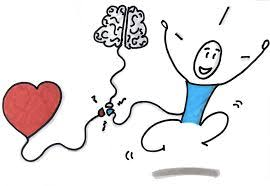
They support children and teenagers so they can rediscover the pleasure, the taste for learning.
– What do you mean, we don’t learn only with our brain?
– Well yes, the educational psychologist works on emotional regulation.

– This practitioner explained to me that Pierre often felt angry. They worked together on this overwhelming emotion and his behaviour at school improved. I know they can also help children who lack self-confidence or who are being bullied. At the first appointment, they asked us questions to get a full picture: school, time spent on homework at home, health, nutrition, sleep, and time spent in front of screens.
– What does that have to do with the body?
– Well, actually, yes: they explained to us how important good lifestyle habits are for learning well: eating well, getting enough sleep, being physically active, all of that matters for doing well at school.
– But maybe an educational psychologist doesn’t know anything about DYS disorders?
– An educational psychologist is also able to support the child on the cognitive level, and knows tools to help them compensate for their difficulties at school. They can even work together with the speech therapist and the school team. For example, for Pierre, they took part in an educational review meeting at his middle school. It’s great to have someone who can explain things to the teachers. And since Pierre is now in 3è and doesn’t know what to do next, we’re going back for another appointment so they can help him recognise his strengths and preferences, to help him see things more clearly when choosing his path.
– So, if I sum it up, psychopedagogy is like a toolbox for learning how to learn, getting to know yourself better, understanding how you work, having calmer relationships at home, and feeling at ease at school, is that right?
– Exactly right, psychopedagogy helps children make peace with learning! And you know, the educational psychologist can even help parents too, advising them when they don’t know what to do anymore, basically like you, Marie!”