While CES 2024 was revealing technological innovations to help children with DYS disorders, other initiatives were emerging to support the 6% to 8% of the French population affected by these learning difficulties: the Glaaster platform relies on artificial intelligence to make homework submission easier, a major source of stress for dyslexic children. Overview.
How can school be adapted to dyslexia?
Even though DYS disorders are the subject of a government plan, schools are still poorly adapted to these learning disorders – whether dyscalculia, dyspraxia, dyslexia, dysorthographia or dysgraphia.
Diagnosed with dyslexia, Antoine Auzimour decided to change the paradigm: instead of trying to fit into the school mould, he wanted to adapt school to the difficulties of dyslexia. With his friend Baptiste Brejon, they developed a piece of software called Glaaster. Using artificial intelligence, it adapts reading texts to each form of dyslexia, to each child’s needs.
What does Glaaster promise?
Thanks to Glaaster, the child improves their reading and school results, as the tool adapts perfectly to their specific difficulties. “We work with a neuropsychology research centre in Lyon to find the right graphic adaptation for each document. We adapt the document to each child. It might mean changing a letter shape or font, or spacing out the lines and letters. Each child ends up with a transformed document that makes reading easier,” explains Antoine Auzimour.[1]
Glaaster reduces the time spent on homework, freeing the child from this mental load, a major source of stress, and it “boosts” their motivation and desire to learn.
How does the Glaaster software work?
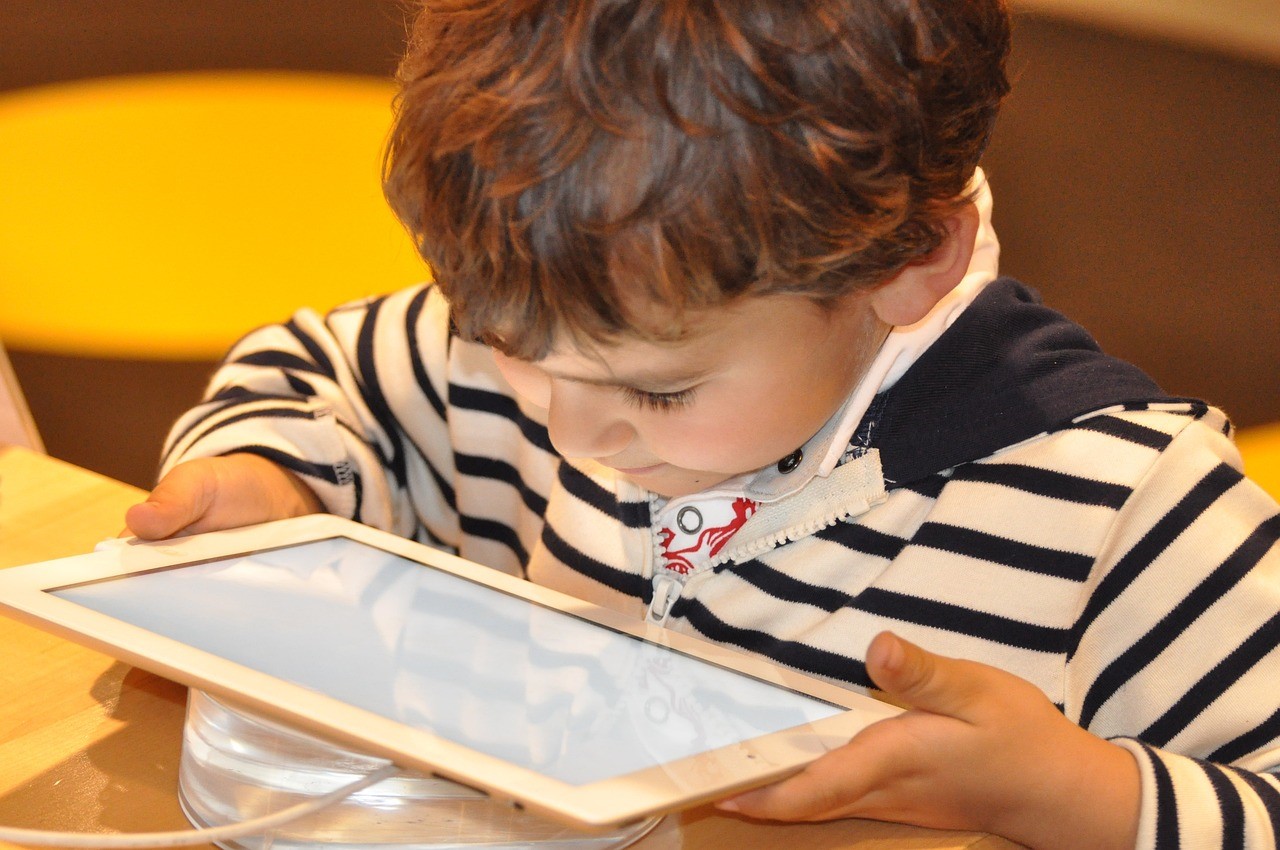
After subscribing to a plan, the dyslexic child receives a pre-configured tablet with the app at home. They take a photo of the homework and the AI adapts it to their dyslexia. Through its built-in planner, the tool can also help them organise their work. Every piece of homework completed lets the child earn rewards, turning the task into a game!
The Glaaster offer costs €33 per month – which includes free delivery of the tablet and the app. It comes with a minimum 3-month commitment, the minimum time needed to measure the AI’s first results.
How has the solution been received?
The two former Lyon students were able to present Glaaster at CES 2024 in Las Vegas on Tuesday 9 January. Since then, and after just a few months in existence, feedback has been glowing, both from professionals and early customers.
For example, Margaux Gaillard, a speech therapist in Lyon, shares: “I use the software with my patients. Being easy to use and tailored to each person saves me time and improves the quality of my work.”[2]
Feel free to discuss this option with the speech therapists or occupational therapists on the Ora-Visio platform, who specialise in supporting children with DYS disorders.
[1] Source: https://www.airzen.fr/glaaster-la-premiere-intelligence-artificielle-pour-enfants-dys/
[2] Source: https://glaaster.com/tablette/