Rituals help establish habits and automate routines. At home, they guide children towards independence: setting the table and putting dishes in the sink, taking off shoes before coming in, tidying their room before bed, etc. While they can feel like a constraint and sometimes meet resistance from the child, these rituals actually help reassure them. In learning to write, they play an equally essential role…
Rituals in learning to write
When consulted for handwriting difficulties, or even a suspicion of dysgraphia, graphotherapists often find that the root of the problem is a lack of associated rituals. Children end up without any reference points, even though these should be taught from the very first year of nursery school.
There are several types of rituals that support the learning of writing:
- Preparing the fingers and developing hand muscles;
- Automating writing posture;
- Building awareness of handwriting itself;
- Etc.
Examples of rituals to set up at school or at home
Preparing the fingers for writing
Many graphotherapists are consulted for handwriting remediation and find that children simply have difficulty moving their fingers. Specialists then use fine motor exercises such as “walking” the fingers forward or backward. These are simple exercises, but when practised daily, they help children make remarkably fast progress.
The right posture for writing
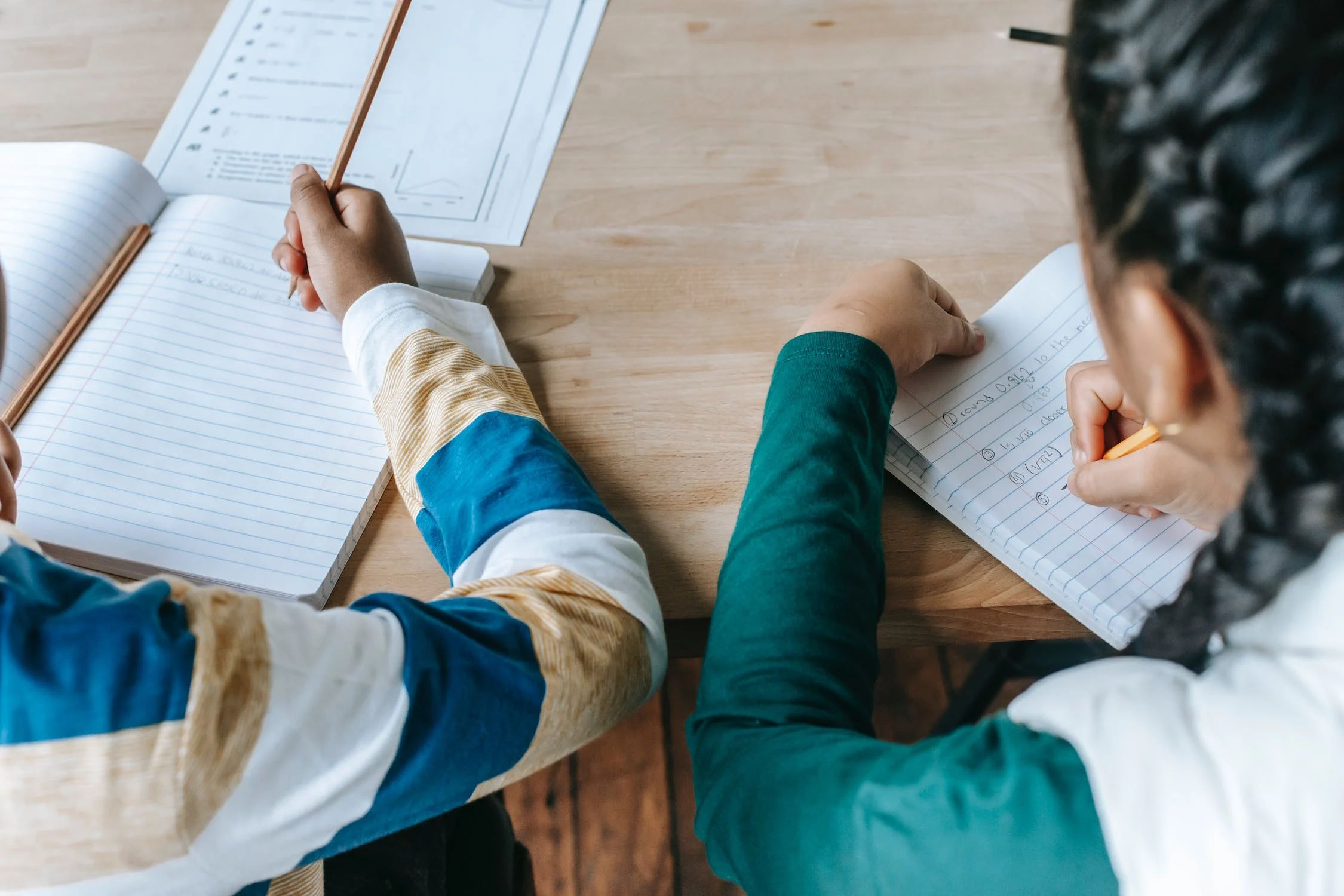
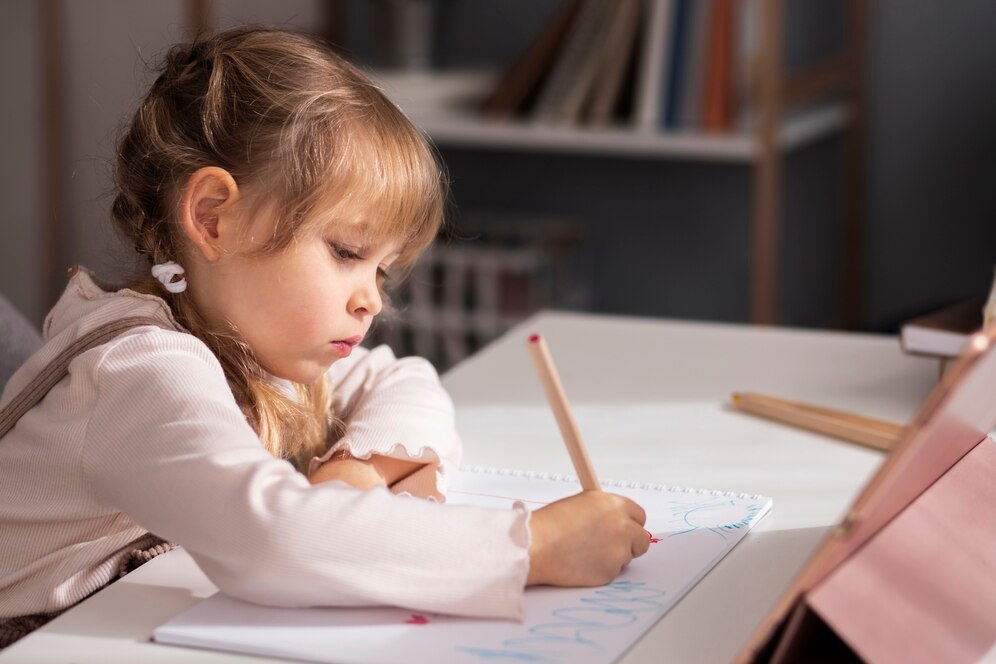
At home, it’s essential to set up rituals around writing posture, using furniture suited to the child’s size. The table height should allow a right angle with the elbows close to the body; the chair should let the child rest their feet flat on the floor or on a footstool. At school, rituals are normally put in place to teach children how to hold the pencil or move their arm.
Handwriting rituals
In the first year of primary school, teachers introduce rituals to build up writing production skills. This can include the copying ritual across various media (whiteboard, movable letters, notebooks, sand, etc.) or the transcription ritual (block capitals, print letters and cursive letters). Using word-and-picture cards, it’s possible to stimulate creativity in writing production, while also easing the load on memory and checking spelling…
In consultations, graphotherapists often find that handwriting difficulties stem from a lack of automatic habits or rituals that haven’t been firmly established in the child. Remediation then involves suitable exercises to help the child regain a correct writing gesture and the enjoyment that comes with it. Even in cases of dysgraphia, rituals remain essential in easing the symptoms of the disorder.
Don’t hesitate to discuss this with the professionals on the Ora-Visio platform who specialise in DYS disorders!