Traditionally, occupational therapists focus their interventions on human activities for their patients with Asperger’s, forgetting that the “sum” of these activities is sometimes poorly calibrated. Thanks to the spoon method, which is extremely simple to implement, the professional factors in this occupational dimension to better manage their patients’ fatigue and socialising.
A spoon for every significant action!
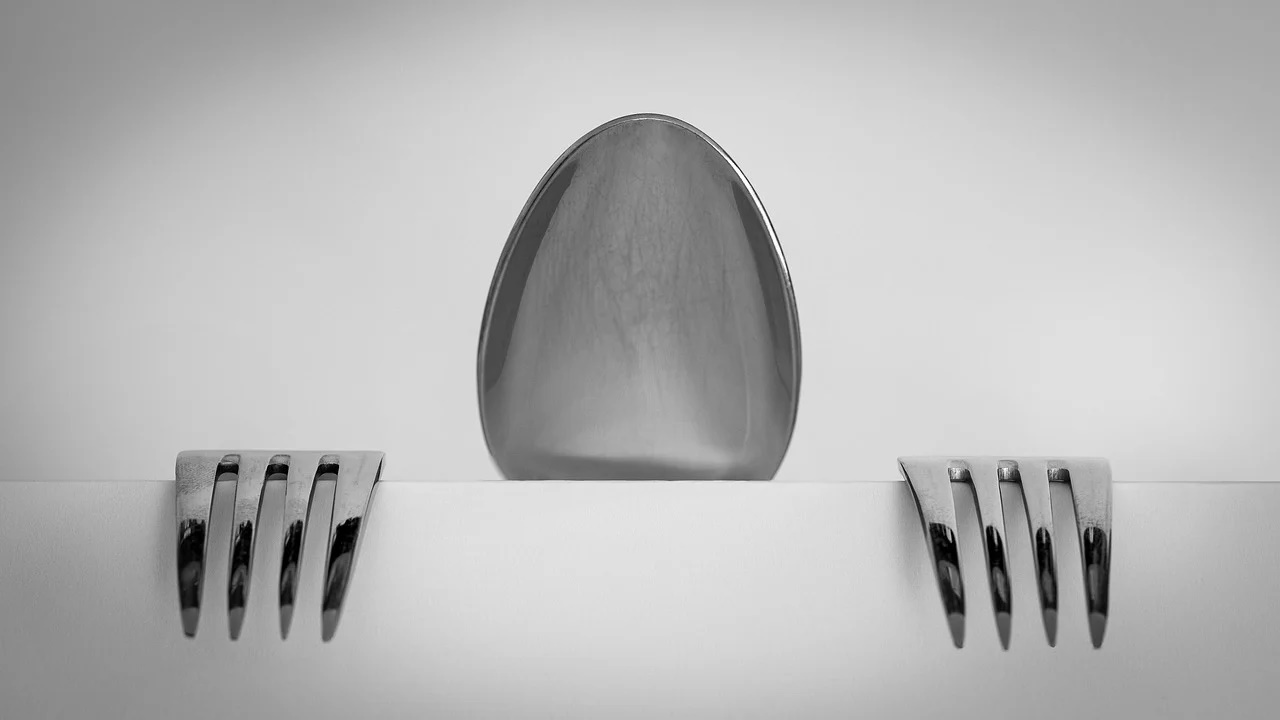
The spoon method gives concrete form to each Asperger’s person’s energy reserve, which varies enormously from one individual to another. It involves arbitrarily assigning a number of spoons for a day, in order to assess the patient’s level of fatigue.
Every significant action is measured in spoons, and the number varies depending on how it feels. For example, if taking a shower is enjoyable, it doesn’t “cost” any spoons. But if this task is uncomfortable, it might be rated at 1, 2 or 3 spoons…
Note that the same activity won’t always play out the same way from one day to the next: spoons must be rationed, which means making choices in order to manage this daily mental load.
Finding each Asperger’s patient’s comfort zone
Let’s imagine an Asperger’s patient has 12 spoons to use in their day: in the morning, they might use 4 to shower, wash their hair, have breakfast and do the dishes; then 7 more during the day to work, cook, eat and go for a walk; finally, in the evening, they can spend what’s left doing the shopping and spending time with family…
With the support of an occupational therapist, the Asperger’s patient writes down their rhythm on paper and reorganises it to balance their day or week. The goal is for them to operate within a “comfortable” framework, without exhaustion, but also without under-stimulation.
This method also helps to relieve feelings of guilt. Indeed, the judgment of others, who don’t understand their fatigue and frequent cancellations, can be a heavy burden: with spoons, energy expenditure is physically represented, showing the mental load associated with a task and making it easier to encourage kindness from others.
Reducing this cost to increase reserves
Gradually, this “cognitive cost,” triggered by each activity, should be eliminated in favour of a less “costly” method. For example, the patient replaces the spoon with a colour: red days meaning they need to conserve energy from the morning without dwelling on the day’s plan, while green days invite a little more ease…
Once the routine is established, the occupational therapist encourages maintaining this state: traditionally, it takes about 9 weeks for Asperger’s patients to acquire and automate a new habit. Only then can the professional try a few experiments to gradually increase their patient’s reserve capacity.
Don’t hesitate to talk about this spoon method with our online occupational therapists, available on our Ora-Visio platform!