You’re helping him too much. Let him figure it out. If you help him, he’ll never manage on his own. Parents of dyspraxic children hear these remarks, or say them to themselves. Dyspraxia prevents a child from being independent, because it hinders coordination and the planning of movements, even everyday ones. Being the parent of a child with this motor disorder means being torn between wanting to spare them every difficulty they might face and wanting to guide them towards independence. Good news: the two aren’t incompatible. Quite the opposite. By adapting the child’s daily life to their condition, with simple, sensible steps, parents naturally improve their autonomy and self-esteem.
Helping dyspraxic children wash by themselves
On the hygiene front, while your child is small, there’s no issue! Later on, a few points will deserve your attention: the desire for privacy, and safety. Because they’re a little clumsy, your dyspraxic child, who wants to wash alone, needs to feel stable in the shower or bath. Non-slip mats in the tub and at the exit of the bath are essential.
Choose liquid soaps that rinse off easily where possible. Plastic pump bottles have two advantages: they dispense the product easily and they don’t break when dropped.
For the tap, the challenge lies in adjusting the temperature. To avoid an extra obstacle, a thermostatic tap is ideal. For practicality, forget bathrobes! Go for large towels instead, much easier to dry off with.
Finally, allow for a good deal of tolerance regarding the state of your bathroom during this learning period.
At the toilet, wiping a very young child isn’t an issue, but starting school and the need for privacy call for specific learning around using toilet paper. It’s essential to take your time, repeat the gesture, and help your child towards independence in the bathroom. Wet wipes are also a good solution for feeling clean quickly.
After taking charge of brushing your little one’s teeth, you’ll want to encourage their independence with an electric toothbrush and a pump-bottle toothpaste too.
PARENTS’ HYGIENE CHECKLIST
– liquid soap in a plastic pump bottle
– quick-rinse washing products
– non-slip mats in the shower tray and at the bath exit
– thermostatic tap
– large towels
– electric toothbrush
– pump-bottle toothpaste
Helping dyspraxic children get dressed by themselves
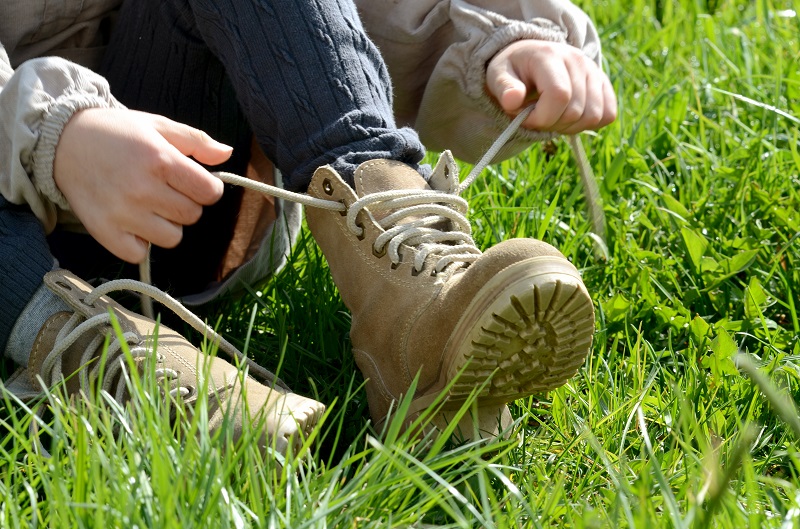
The key word will be simplicity in choosing clothes. By ruling out buttons, laces and clothes that are too tight, you’ll make daily life easier for them.
Rather than wasting time and energy in the morning, your child will appreciate you dressing them fully. But as they grow, they’ll want to do it themselves. That’s an excellent step, though it doesn’t mean leaving them entirely to their own devices overnight. Help them put on socks, do up a zip, or button a polo shirt. If they manage to close their zip one day, praise them, knowing they might not manage it the next day. Successes and setbacks will alternate from day to day.
Then they’ll want to dress according to their own taste. Their choices may not always be the most practical ones. Let go of practicality; you can still help them put the clothes on at first. Their condition shouldn’t be weighed down with extra restrictions, so it’s wise not to constantly remind them that certain things are off-limits.
PARENTS’ DRESSING CHECKLIST:
– velcro shoes rather than laces
– trousers with an elasticated waist to avoid buttons, small zips and belts
– mittens rather than gloves
– loose-fitting socks
Helping dyspraxic children eat by themselves
When it’s time to learn to eat alone, a few adjustments will also go a long way towards reaching your goal. Mealtimes take much longer for dyspraxic children. You’ll have noticed how slowly your child eats, and how pointless it is to try to speed them up! Make the most of these moments together to savour and enjoy each one.
A good deal of tolerance is needed when it comes to mess. Since coordinating movements is very difficult for these children, the table will start to look like a battlefield once your child begins learning to eat alone. Hence the value of protecting what can be protected, with bibs, aprons, then napkins around the neck, or even chair protectors if they’re upholstered in fabric.
You may still need to keep cutting up their food for a while. That said, they’ll be able to drink alone from an unbreakable, stemless cup, and eat from bamboo tableware, which mimics crockery and feels “less babyish” than plastic.
PARENTS’ MEALTIME CHECKLIST
– allow extra time for meals
– accept some mess
– unbreakable tableware (bamboo)
Helping dyspraxic children tidy their room
Here too, they show real willingness to tidy their things, but sadly, their motor disorder prevents your child from organising the task. Here are a few simple ideas to help your dyspraxic child become independent when it comes to tidying their space.
First, sorting should be made easier with clearly identifiable categories. For example, all the soft toys in a box with a picture of a soft toy stuck on it, or for older children, the word written out. And so on for Lego, dolls… It’s best to support them with this task and put your actions into words, to gradually guide them towards independence.
There’s no need to aim for meticulous tidying. The child’s effort should be rewarded even if the result seems less than perfect to you.
Finally, as a general rule, limit the number of toys. An abundance is confusing both when choosing what to play with and at tidy-up time.
PARENTS’ TIDYING CHECKLIST
– accept imperfect tidying
– favour large bins by category
– limit the number of games and toys
– put tidying actions into words
– help them tidy up
Encouraging dyspraxic children to take up a sport
There are no strict rules when it comes to dyspraxia and sport. Some children will excel, while others won’t manage as well. Why? One key factor can make all the difference: motivation. With genuine enthusiasm and a coach who understands their condition, a young dyspraxic athlete can thrive in an unexpected sport.
In their early years, it’s worth choosing a sport suited to their sporting profile. But once they’re old enough to choose the discipline they enjoy, certain adjustments will need to be discussed with their club or coach, so they can train with pleasure. Brightly coloured markers, choice of opponent, extra time before taking action, fewer constraints… all of these create favourable conditions for your child to take part in sport.
If your first instinct is to refuse them access to a discipline that seems too complicated given their condition, don’t give in to it. Your child has the right to try what interests them. On the contrary, supporting them in fulfilling that wish might mean, for example, having them put their sports kit on before arriving at the club, to avoid the changing rooms altogether.
PARENTS’ SPORTS ACTIVITY CHECKLIST
– accept their choice of discipline
– make sure the coach is caring and aware of your child’s condition
– favour small clubs or sports associations without heavy focus on winning
– have them put their sports kit on before arriving on site
Whatever age your child reaches independence in hygiene, dressing, eating or tidying up, what matters is guiding them gently towards their future independence. They will become an independent adult, whether or not you buttoned their shirt up until secondary school. The difference is that, by helping them reasonably, you give them a more peaceful childhood and protect their self-confidence. By leaving them too much to their own devices, you’ll only increase their distress and their poor self-image. And to support you in helping your child thrive, ORA’s video child psychologists and online speech and language therapists are by your side every day.