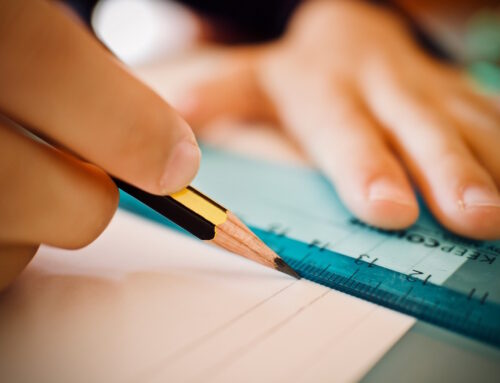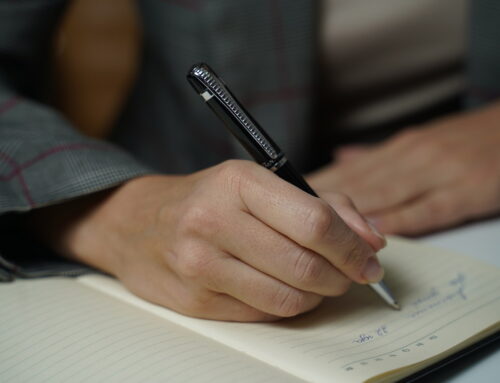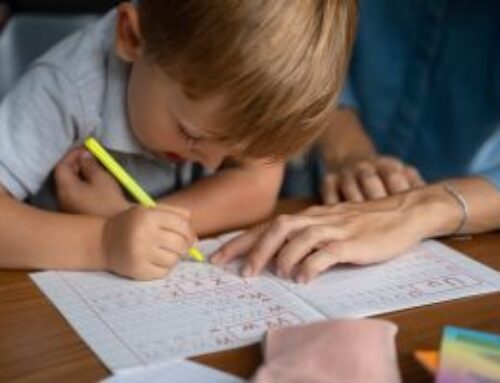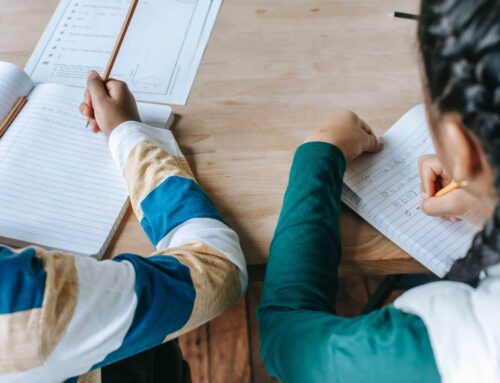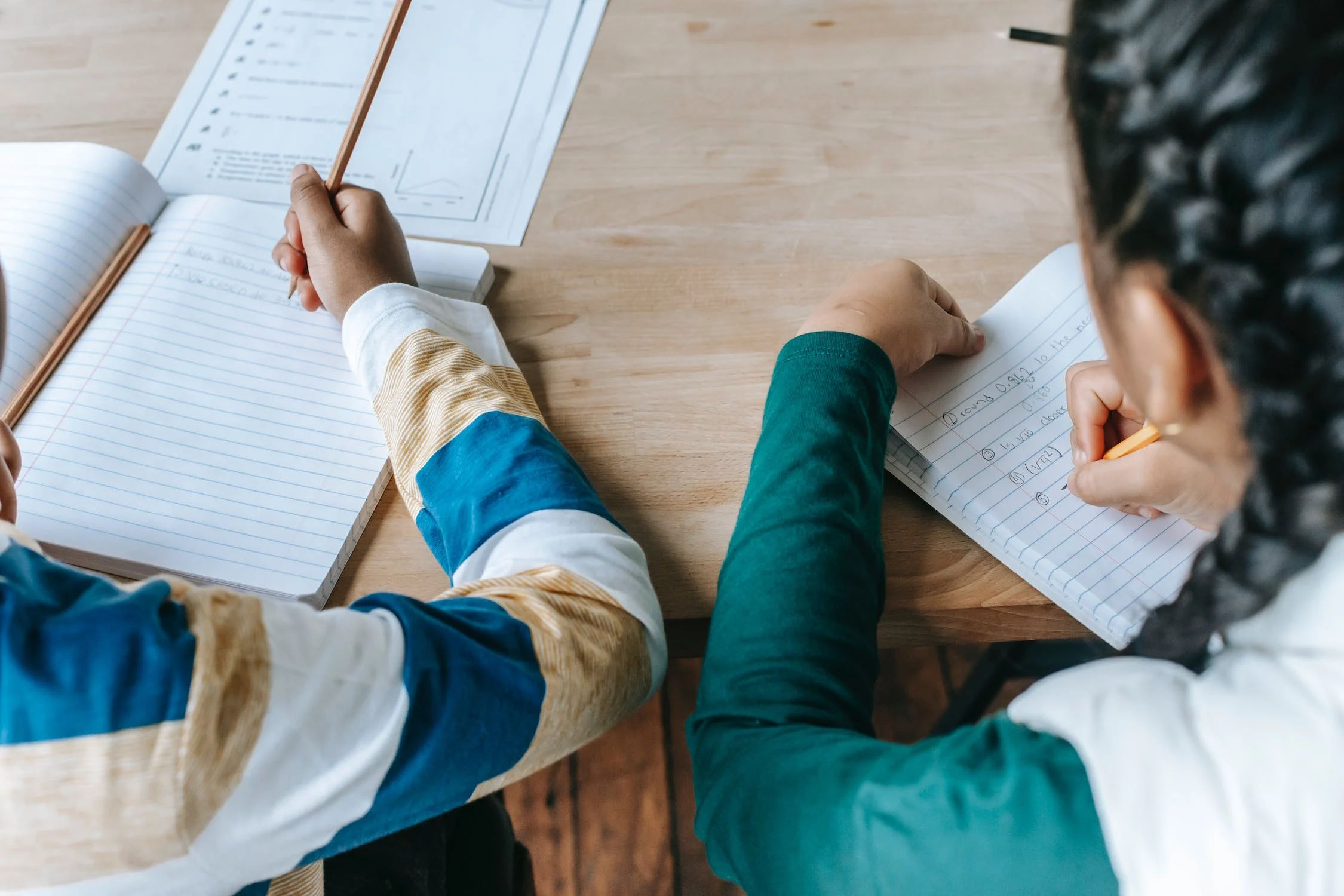
With children who have DYS disorders, a handwriting therapist can set up a small daily ritual to work on their fine motor skills: exercises that begin, even before the pencil touches the paper, with a little finger gym and correct pencil grip. Here are a few easy activities to set up, to support your child in their handwriting re-education…
5 exercises for a finger gym
Even before starting a writing session, the handwriting therapist will emphasise the importance of posture. Once the child is properly seated, they will do a bit of gym to loosen and strengthen the fingers:
- Exercise 1 “The lying-down 8”: recommended in Brain Gym, it optimises communication between the two hemispheres of the brain. Draw the shape of a lying-down 8 vertically, horizontally, or in the air, first with the right hand, then the left hand, before repeating the movement with eyes closed.
- Exercise 2 “The flat piano”: with the hand flat on the table, lift each finger several times, one after another.
- Exercise 3 “Walking”: place the index and middle fingers on the table and make them walk.
- Exercise 4 “Thumb piano”: hand spread out, touch the index finger to the thumb, then the middle finger to the thumb, then the ring finger and thumb, and finally the little finger and thumb.
- Exercise 5 “The fist”: hand closed, quickly spread all fingers out straight then close them again, before starting over.
5 handwriting-therapy exercises for pencil grip
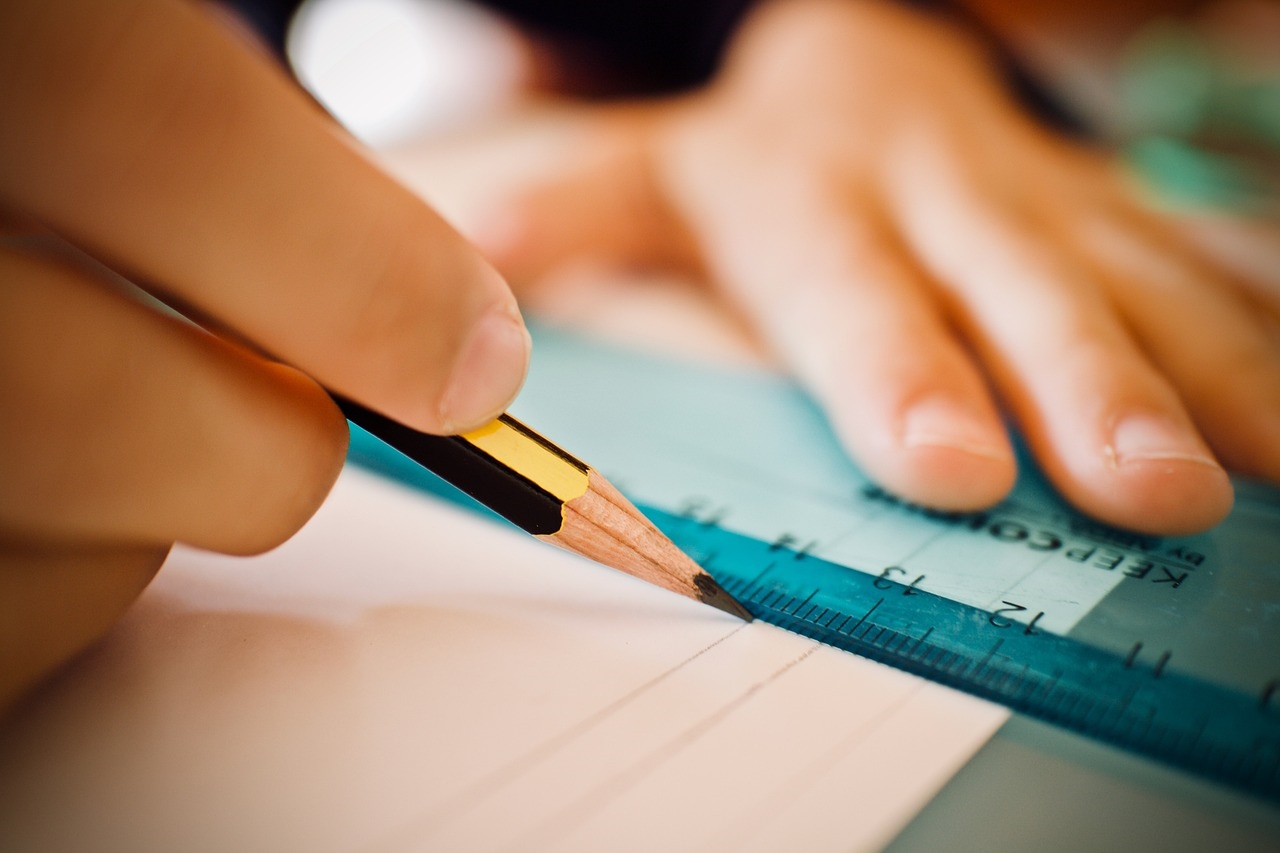
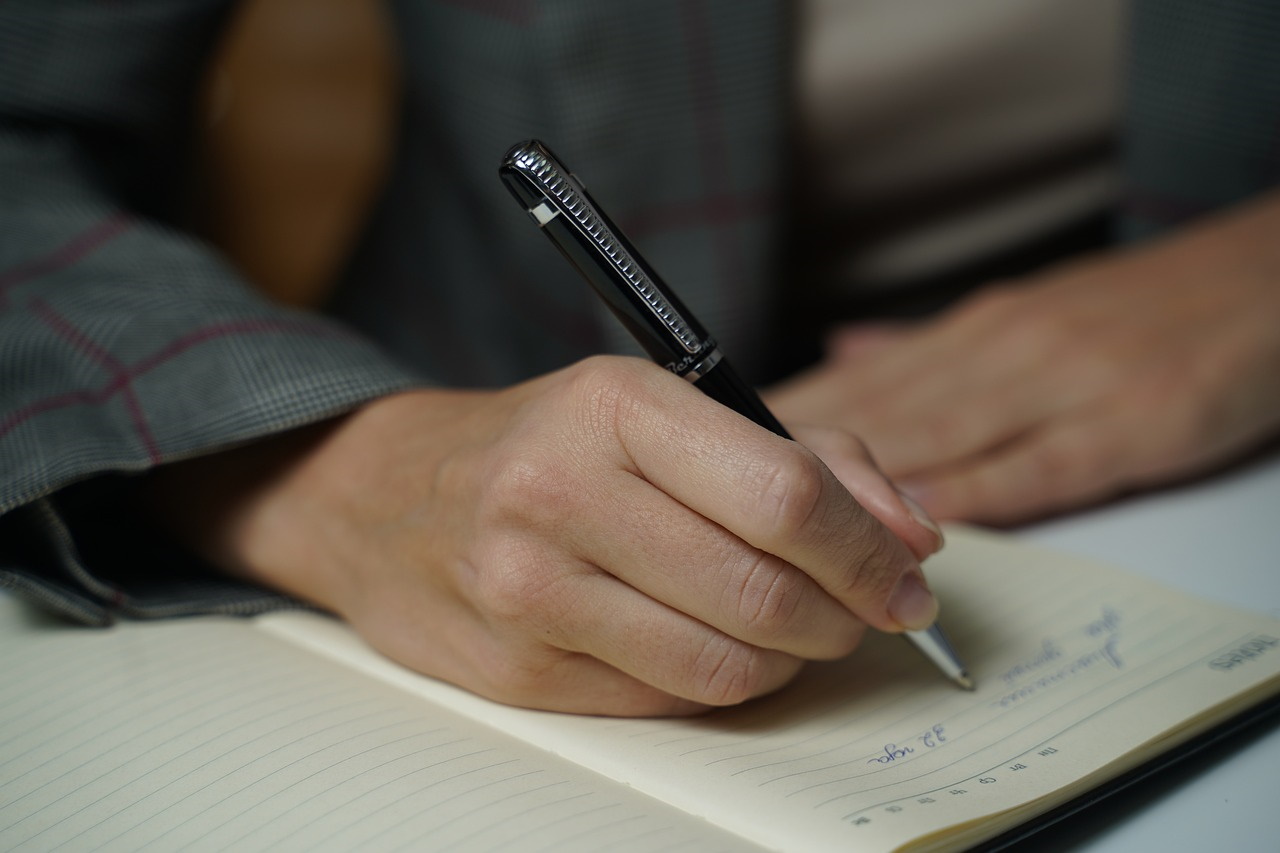
The grasp reflex appears in utero and naturally integrates around 10 months of age. When this doesn’t happen, it causes tension and affects the child’s skills in handwriting, grasping, and manipulation: this results in awkward pencil grips, which can be painful. To work on fine motor skills, several exercises are available:
- Exercise 6 “Paper ball”: crumple and uncrumple a sheet of paper with one hand.
- Exercise 7 “Knucklebones”: play the knucklebones game, which works on finger dexterity and motor skills.
- Exercise 8 “1, 2, 3, sun”: draw a snowflake on the pad of the thumb and another on the side of the middle-finger nail, then draw a sun in the fingers. With the hand closed, say “1” with the thumb, “2” with the index finger, and “3” with the middle finger, then “sun” by bringing the two snowflakes together and creating a nice round sun. The shape created mirrors the correct pencil grip.
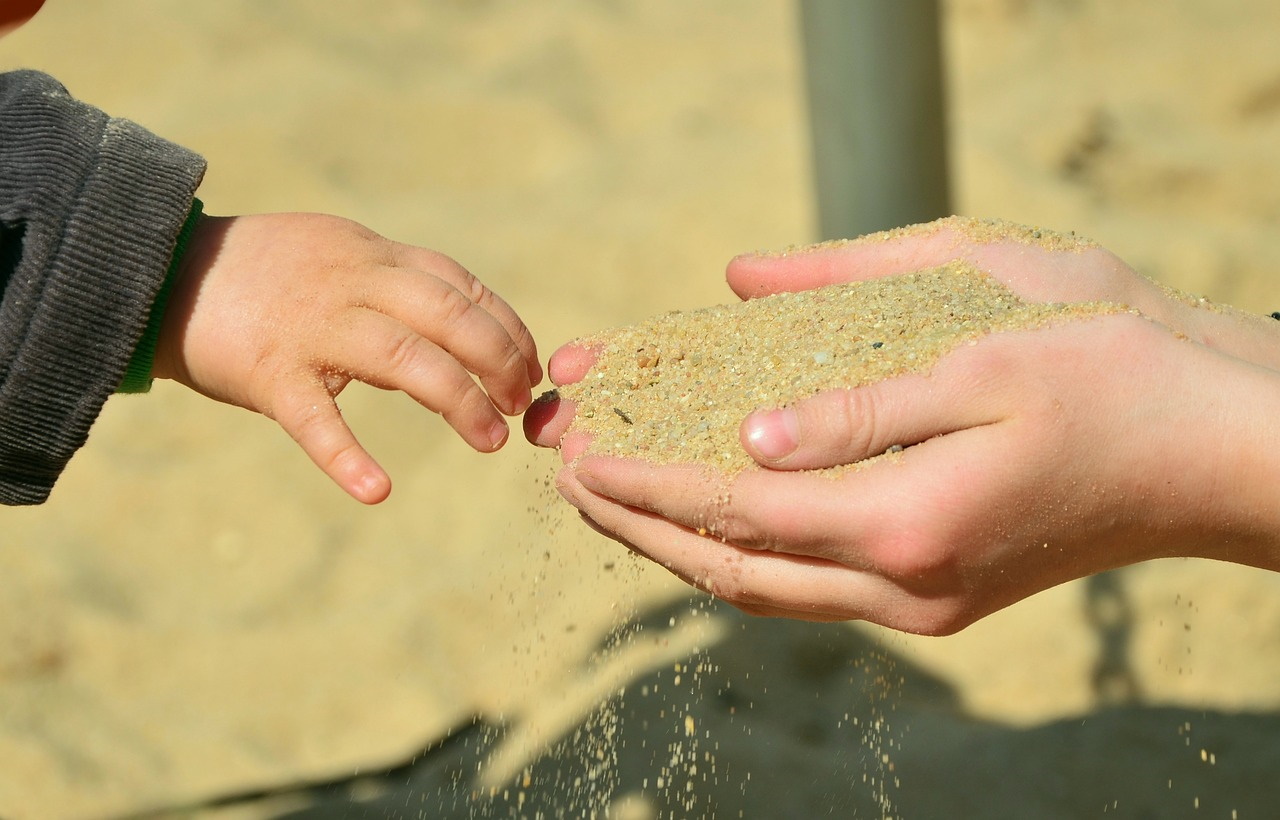
- Exercise 9 “Textures”: handle different textures with the whole hand, such as modelling clay, salt dough, earth, clay, marbles, sand…
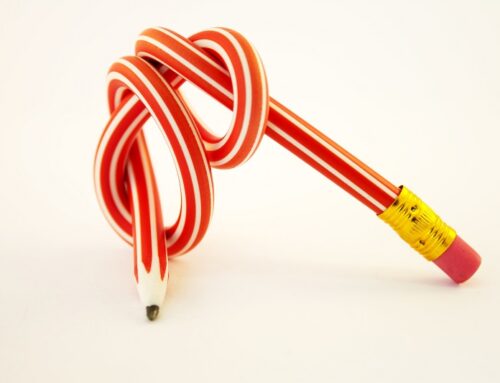
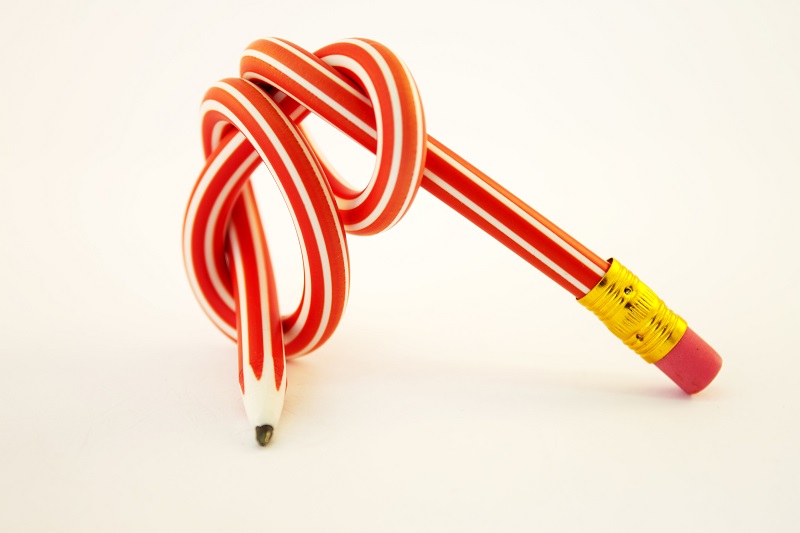
- Exercise 10 “Scoubidou strings”: tie and untie knots, or make a scoubidou braid, to work on finger dexterity in a concrete way.
Don’t hesitate to ask a handwriting therapist on the Ora Visio platform for advice: our professionals will know which exercises to put in place, based on your child’s difficulties and age.