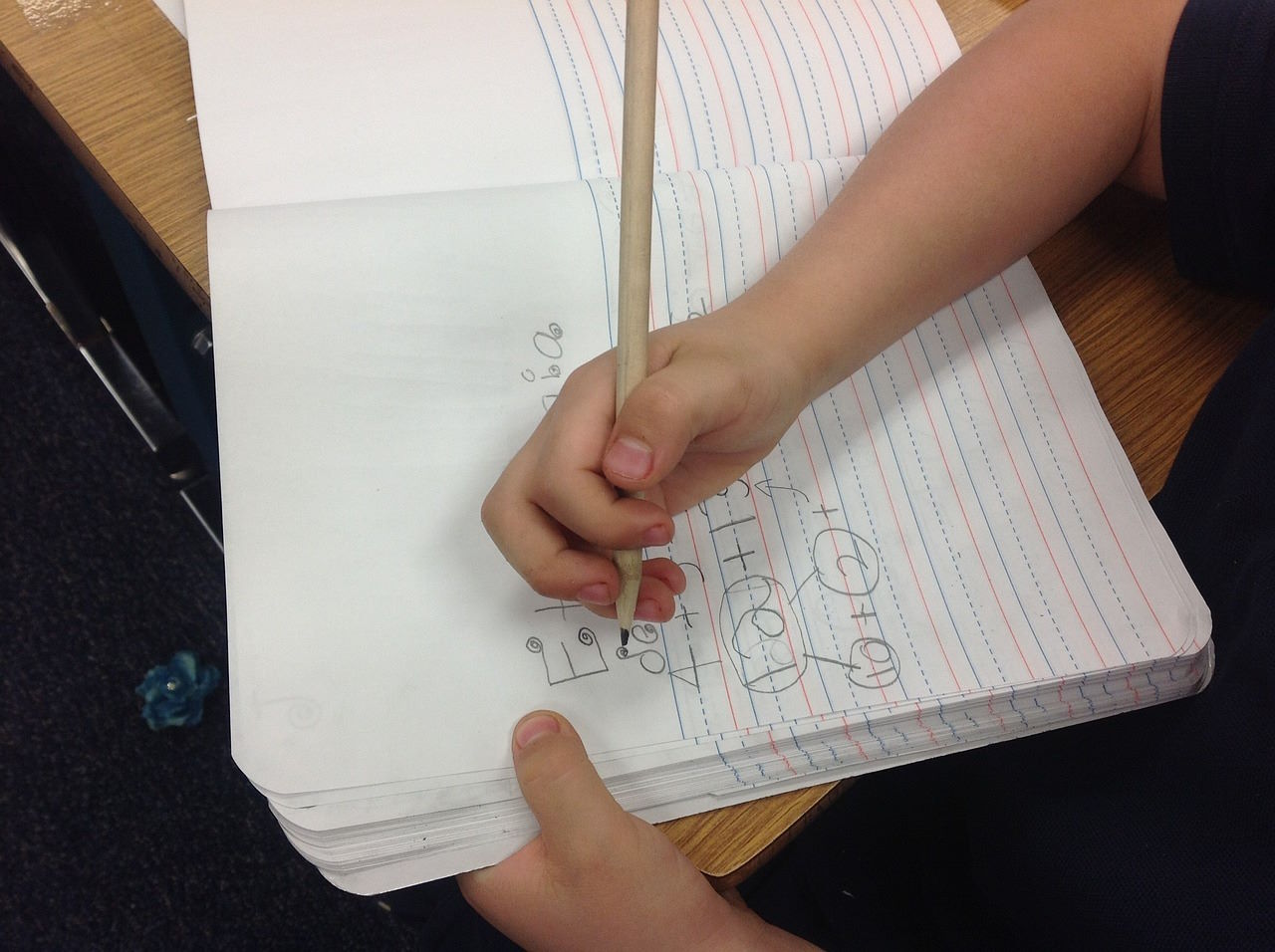
Whether gifted or highly able, children don’t all experience school the same way: some sail through it without any difficulties, while others face a rockier path, or even repeated failures. When it comes to handwriting, half of them may have dysgraphia… Here’s why, and what can be done.
What is a gifted child’s relationship with handwriting?
An intellectually gifted child, or highly able child, is defined by intellectual development ahead of that of children their own age. Often misunderstood and even rejected by their peers, they tend to prefer the company of older people and to take on challenging activities to stimulate themselves.
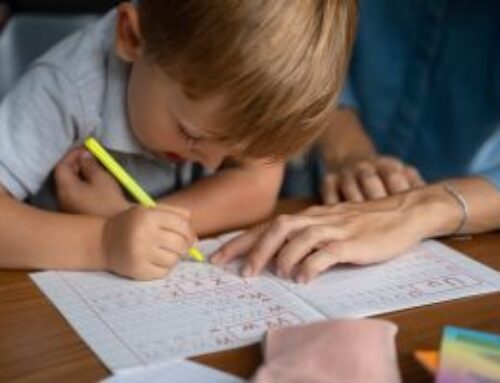
In most cases, gifted children struggle with, or are even delayed in, handwriting: 50% of them are thought to have dysgraphia, a learning disorder that affects handwriting and its formation. Beyond the technical aspects (pain, slowness, or illegible writing), there’s also a psychological dimension to consider: because a gifted child’s brain is constantly active, they understand everything, and very quickly, feeling real frustration when they realise their hand can’t keep up with the same pace.
Why consult a graphotherapist?
Essential throughout schooling, handwriting is a fundamental skill, helping a child organise their thoughts and memorise them, while also improving fine motor skills and supporting concentration and the assimilation of information written down.
At the first signs of dysgraphia (muscle fatigue in the fingers, hand, or wrist, mirror writing, difficulty reproducing letter shapes, writing that’s too fast with no control over movement, refusal to write, etc.), it’s strongly advisable to consult a graphotherapist for an accurate and thorough diagnosis. This graphomotor assessment is built through discussions with the child and parents (the case history) and a number of tests. The results guide the professional in choosing the most suitable rehabilitation approach.
Can a gifted child suffer from disorders other than dysgraphia?
While giftedness can be a cause of dysgraphia (like dyspraxia), it can also bring about other learning disorders. Indeed, a gifted child with dysgraphia may also, unknowingly, be dealing with dysorthographia or dyslexia, since they’re already struggling to produce accurate written work.
As a source of real distress for the child, these learning disorders need to be diagnosed as early as possible, so the situation can be addressed appropriately and personally, without over-dramatising this type of condition. A gifted child may simply have picked up bad habits when developing their handwriting movements: in that case, rehabilitation can resolve the problem quickly. Otherwise, it will need to provide compensation strategies to ease daily life, help them continue their studies, and avoid falling further behind.
Don’t hesitate to book an appointment with a graphotherapist on the Ora-Visio platform: specialised in DYS disorders, they can guide you on next steps and help turn your child’s giftedness into a real strength rather than a source of school-related trouble, including, at times, with other pupils.