A learning disorder affecting language, dyslexia is a disability of neurological origin with no cure. That said, the difficulties it causes can be eased through rehabilitation sessions with speech and language therapists and occupational therapists. But hypnosis can also offer a complementary response to managing this disorder day to day.
The negative psychological spiral of children with DYS
Regardless of the disorders affecting the learning of certain skills, children with DYS almost systematically suffer from anxiety, stress and fatigue that draw them into a spiral of negative emotions.
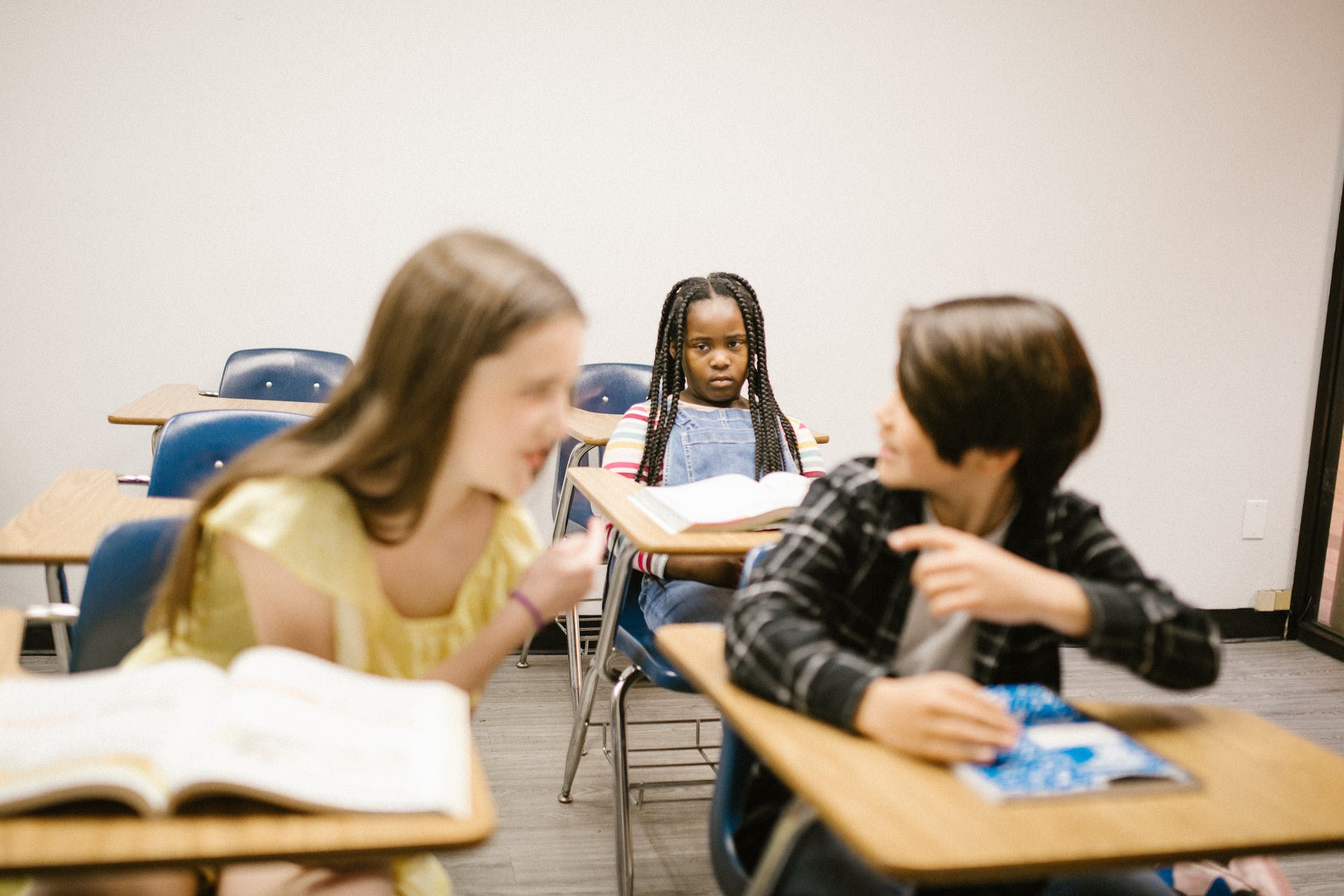
Self-image is built both from the perceived gap between one’s abilities and one’s ideals, and from how one perceives peers’ views of one’s own abilities. Struggling to complete certain tasks, such as reading, a dyslexic child is often the target of mockery and criticism that damages their self-esteem and confidence. Faced with this, they withdraw and refuse these activities. Yet without practice, they inevitably limit their own progress…
Hypnosis, a response to intellectual inhibition
To avoid facing another failure or the frustration of not managing to do or understand a task, a dyslexic child, like any child with DYS, will develop a defence mechanism, intellectual inhibition. This unconscious reflex involves shutting down thinking, in order to protect themselves from an environment they perceive as unsafe. A particularly problematic attitude for a dyslexic child, who then loses all hope of progress.
Fortunately, hypnosis can offer an effective solution against this phenomenon, even reversing it to help build the child’s motivation to progress.
Hypnosis, a response to poor self-esteem
Hypnotherapy can offer a response to the cascade of psychological issues linked to dyslexia, such as loss of self-esteem or school phobia. Through Ericksonian hypnosis, it’s possible to help children experience letting go, necessary to regain control and unlock blocking behaviours and phobias.
With this letting go allowed, the child no longer lets that little inner voice decide for them; they can dare to take the risk of succeeding… With this brief therapy, the child replaces harmful beliefs with positive ones, gradually regaining self-confidence.
Hypnosis, a response to dyslexic children’s difficulties
Finally, hypnotherapy can also act directly on the difficulties linked to dyslexia. By working on the subconscious, at the edge of awareness, the professional taps into the vast reservoir of active resources and deep-seated solutions that the unconscious represents, in order to change the dyslexic child’s way of learning.
For example, the hypnotherapist can, safely, help the child recognise words more easily, leave a marker in front of a new word so it embeds itself in their unconscious and becomes easier to remember, and so on.
Don’t hesitate to contact a hypnotherapist on the Ora-Visio platform to discuss together the benefits of this alternative approach for your dyslexic child.