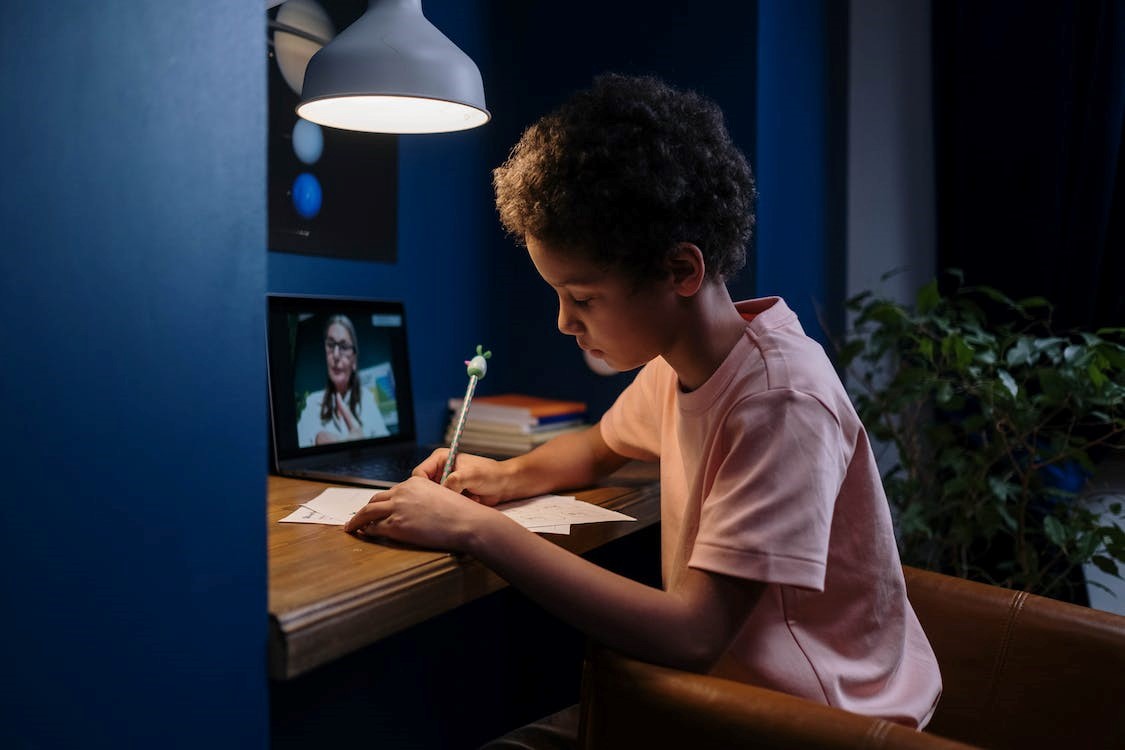
Dysgraphia and dysorthographia are two functional disabilities that concentrate learning difficulties on written language. Writing and spelling are two distinct but complementary activities; a difficulty in one inevitably affects the other. In the course of rehabilitation, speech therapists and graphotherapists frequently encounter children presenting both disorders (multi-DYS).
Symptoms of these written language disorders
Affecting 10% of school-age children, dysgraphia impairs the automation of writing movements, despite repeated practice. Letters are malformed because the fingers can’t properly control the pen. Distinctly slow, the child with dysgraphia struggles to concentrate, because all their attention is focused on the act of writing.
Dysorthographia targets more specifically the acquisition and assimilation of spelling rules. Frequently associated with dyslexia, this disability makes word spelling entirely inconsistent and often phonetic: the child with dysorthographia tends to write as they speak. Also slow, they struggle with dictation or spontaneous writing, because they cannot memorise spelling, grammar rules, or conjugation, despite repeated practice.
The subtle distinction between dysgraphia and dysorthographia
While both cognitive disorders affect written language, the nature of the difficulties involved is not the same. Dysgraphia affects the child’s graphic and motor processes, while dysorthographia focuses solely on the linguistic domain.
Dysgraphia shows up more through disregard for lines and margins, writing of varying sizes, and a poor pen grip, whereas dysorthographia results in genuine difficulty understanding what’s written, often forcing the reader to read aloud. The French Dys Federation gives a striking example: “Japanz territery haz almoast no natcheral resoursez and its relif iz very restriktiv.”[1]
While the manifestations of these disorders can look similar, a diagnosis (as early as possible) will make it possible to adapt and personalise the child’s care. This means precisely assessing their difficulties and understanding where they stand in relation to spelling and handwriting.
The strength of multidisciplinary rehabilitation
Once a diagnosis has been made, DYS specialists (such as those on the Ora Visio platform) can design tailored rehabilitation. As a reminder, since these are lasting disorders, their effects can be lessened with compensation strategies.
During individual or group sessions, the child can develop action strategies to gradually address their difficulties. In this respect, multidisciplinary rehabilitation makes it possible to benefit from each professional’s area of expertise: speech therapists, graphotherapists and occupational therapists can each bring a specialist perspective on the difficulties of a child with dysgraphia and/or dysorthographia.
Don’t hesitate to contact one of the specialised professionals on the Ora Visio platform, to discuss the value of this multidisciplinary approach.
[1] Source: https://www.ffdys.com/actualites/la-dysorthographie-trouble-de-lorthographe-meconnu-aufeminin-com.htm