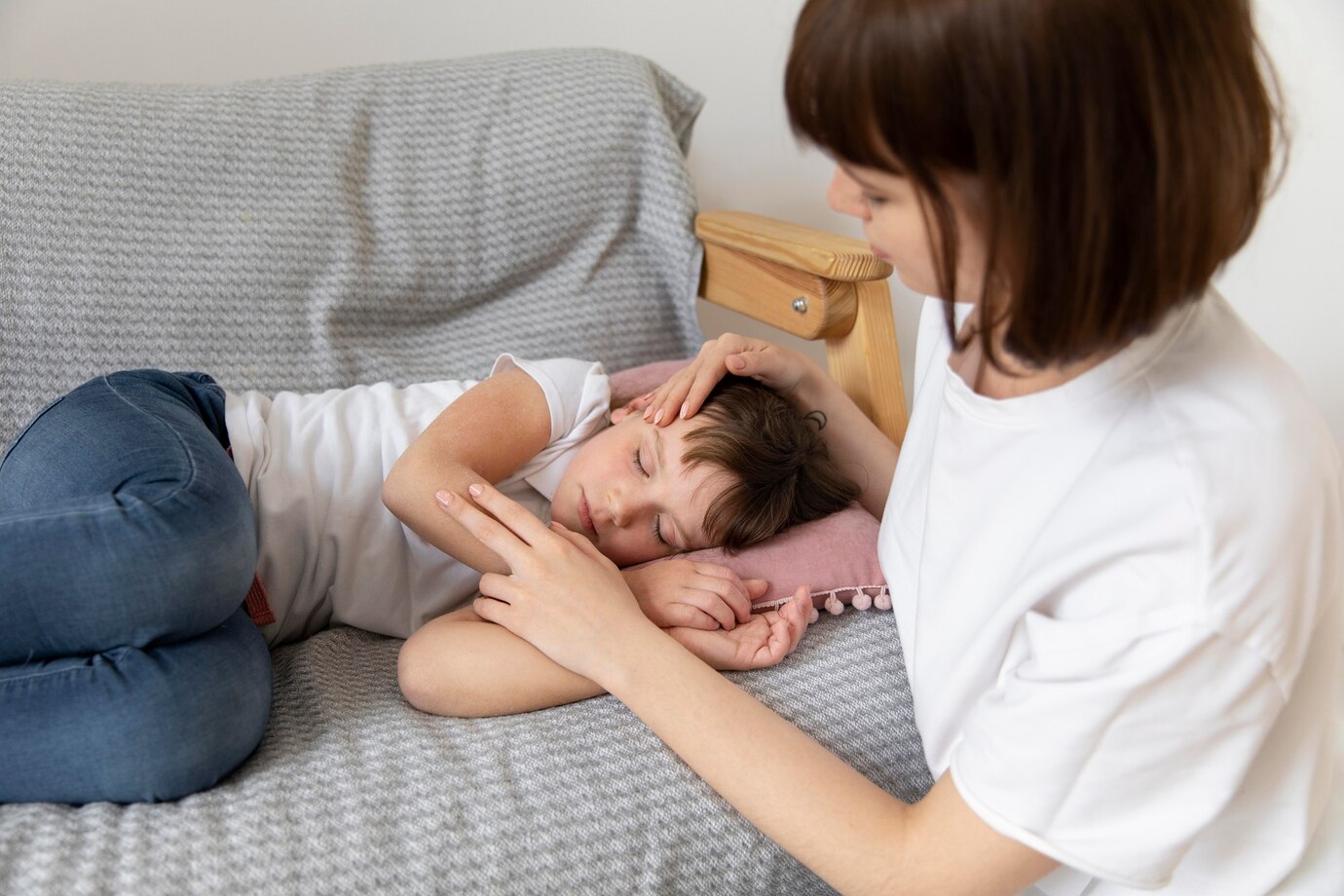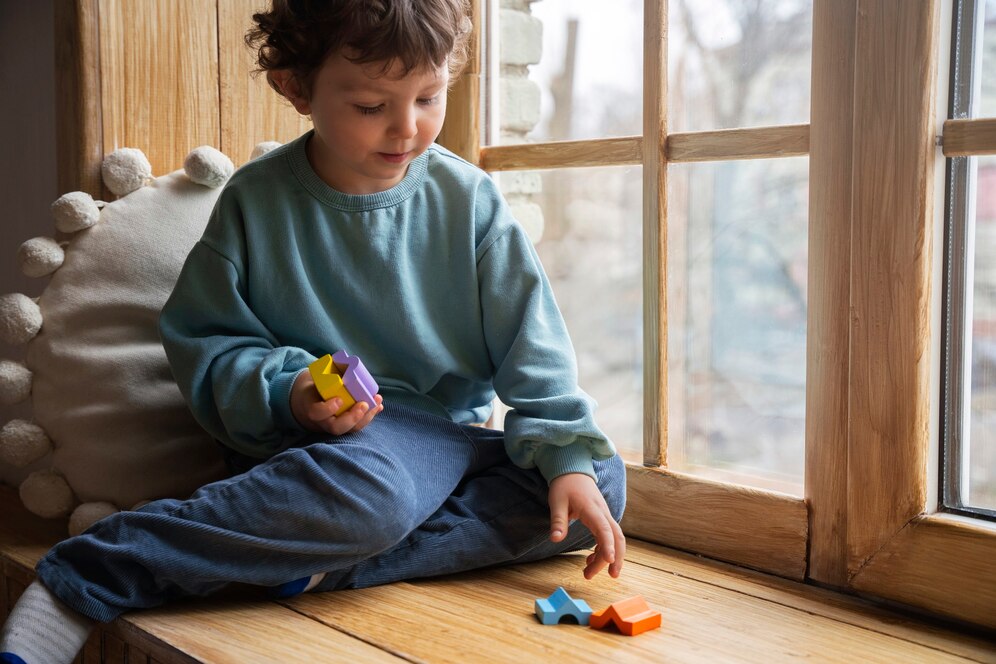
Hypnosis is a state in which the mind is more receptive to suggestion: immersed in this state of deep relaxation, a child with Autism Spectrum Disorder (ASD) can focus more easily on their own emotions and thoughts. The hypnotherapist can then help them understand and express these appropriately. But they will first need to build a relationship of trust with the child before they can hope to help effectively. Here’s how it works.
Hypnotherapy or therapeutic hypnosis
Today, many doctors specialise in therapeutic hypnosis or hypnotherapy: in obstetrics, it helps reduce labour pain; in anaesthesia, it lowers stress related to surgery and can help avoid general anaesthesia; in neuropathology, it is used for conditions such as sclerosis and chronic fatigue, etc.
While the profession is not yet formally regulated, it is becoming more organised: in France, the national union of hypnotherapists and the unitary union of hypnosis professionals set standards, requiring practitioners to follow a code of ethics and to have completed full training at a centre they recognise.
Children, and children with ASD in particular
This leaves the question of children: is hypnosis safe for them? As with adults, it’s important to know that it will never make them do anything they wouldn’t normally do. Young children (aged 3 to 6) are accompanied by their parents during sessions.
For children with ASD, therapeutic hypnosis is entirely possible, since they are perfectly capable of telling the difference between reality and imagination. Autism is not a dissociative personality disorder.
That said, the process can be more difficult with very young autistic children, who may develop mistrust towards this kind of practice, not yet having full control over their own behaviour…
The stages of a child’s care
The priority for the hypnotherapist is to create an environment that is both comfortable and safe for their patient: to do this, they will run short sessions over several weeks or months, in order to build this essential relationship of trust.
During these sessions, the professional will explain their intentions and methods to the child, and will ask about the child’s activities, interests and daily life, in order to identify the difficulties they are facing. Do they have meltdowns, anxiety, phobias?
The hypnotherapist will then use relaxation techniques, visualisation, and direct or indirect suggestion, to help their patient overcome their difficulties. For a child with ASD or ADHD, this can help them manage their emotions in order to adopt appropriate behaviour, reduce stress and anxiety, improve concentration and memory, develop social skills, and more.
While hypnosis can definitely help children with ASD, the real challenge lies in building that initial relationship of trust: most autistic people find it very difficult to let a third person into their world. Yet agreeing to hypnotherapy sessions must be voluntary, this is the essential condition for the process to succeed. While the approach is worth exploring, the difficulties linked to an autistic child’s phobias remain a real obstacle, one that differs from child to child.