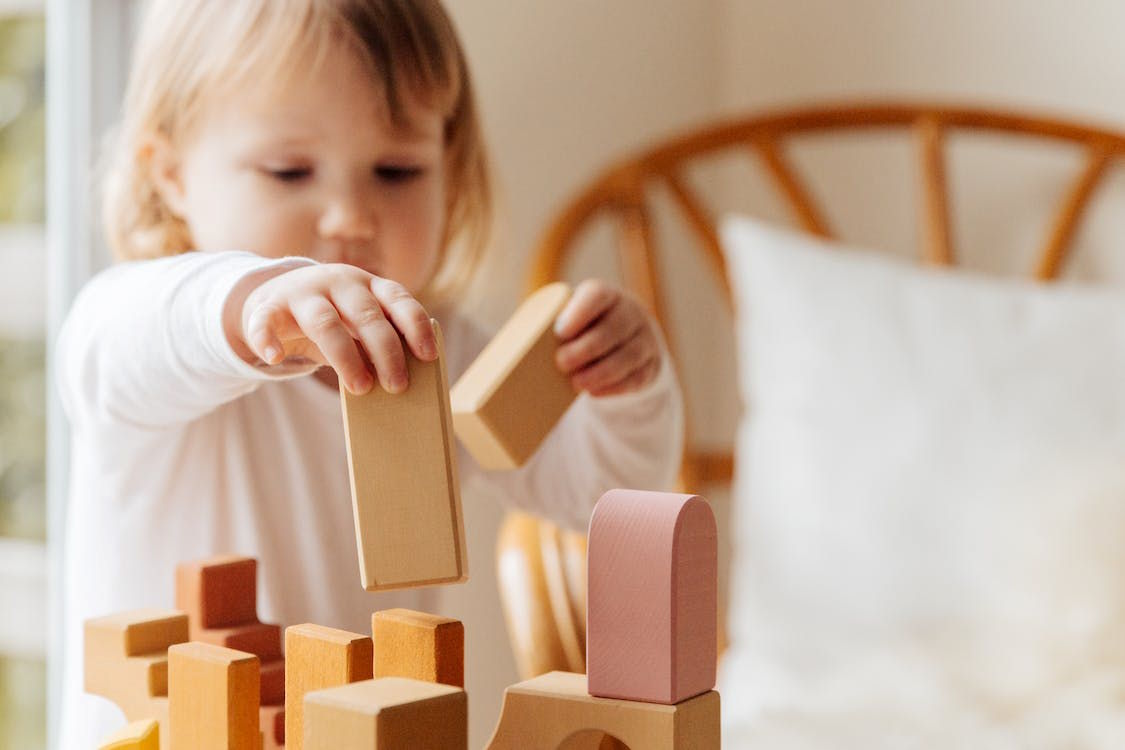
Developed by the American psychologist Mihaly Csikszentmihalyi, flow theory refers to a state of complete concentration in which a child is fully absorbed in an activity that is meaningful to them and perfectly suited to their abilities. Since there is a genuine link between this theory and the notions of self-esteem and quality of life, an occupational therapist may draw on it to support the personal development of a child with a DYS disorder.
Flow theory, or positive psychology
In the 2000s, Martin Seligman paved the way for a branch of psychology aimed both at taking a more positive view of things and at scientifically defining what makes us happy. This movement has also been carried forward by Mihaly Csikszentmihalyi since 1975, with his flow theory, characterised by a person’s total absorption in their activity.
This state of immersion makes it possible to put emotions to work in the service of learning and performance. In flow, these emotions are both contained and channelled, while also being positive, stimulating, and well suited to the task at hand.
According to Mihaly Csikszentmihalyi, this mental state leads to “very significant consequences: better performance, creativity, skill development, self-esteem and reduced stress. In short, it contributes to personal growth, brings great delight and improves quality of life“.[1]
What are the components of Flow theory?
Flow theory can be experienced through any activity, provided it is suited to the abilities of the child with a DYS disorder and is meaningful to them. To reach this optimal experience, 8 components are essential:
- Facing an achievable activity (to enable success)
- The ability to concentrate on the task
- Setting clear goals (to support concentration)
- Immediate feedback on the activity and the experience
- Significant investment (to inspire a degree of self-improvement)
- A sense of control
- The disappearance of self-consciousness
- An altered sense of time (lengthening, shortening…)
In other words, the child needs to carry out an activity suited to their skill level (neither too high, which becomes a source of boredom, nor too low, a source of anxiety). Fully concentrated, they exercise total control over their actions, their engagement is deep, and distractions are non-existent. Their perception of time is altered, and self-consciousness gives way to a sense of self.
Flow theory for children with DYS disorders
For Mihaly Csikszentmihalyi, attention is a form of psychic energy to be cultivated, nurtured and learned to use appropriately, since the quality of the experience depends on it.
Flow theory analyses children’s abilities and motivations in relation to an activity. In the journey of a child with a DYS disorder, who is often faced with situations of failure, this can reveal a mismatch between the level of challenge and the level of ability, drawing the child into a negative spiral.
Whether at school or at home, an occupational therapist can help bring these two variables into balance, gradually reducing situations of failure and building the self-esteem of a child with a DYS disorder. Don’t hesitate to discuss this with one of the professionals on the Ora-Visio platform!
[1] Quote: https://giannibergandi.com/flow-mihaly-csikszentmihaly/