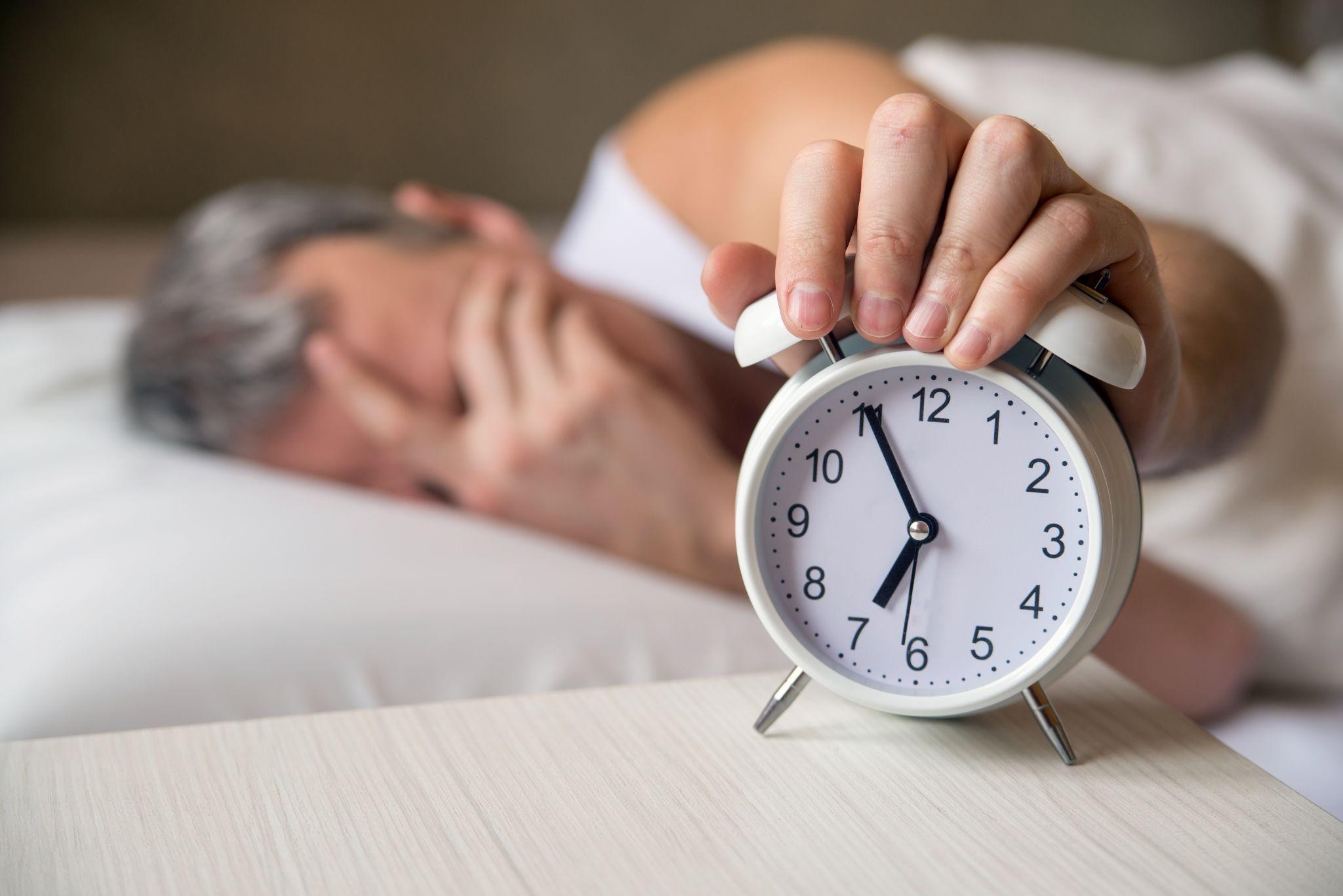
Sleep is a fundamental biological need. It takes up around a third of our lives and plays a crucial role in our physical and mental health. Yet in our modern societies, lack of sleep has become common. Understanding how sleep works and knowing the needs at each age helps us adopt better habits to protect our wellbeing.
Why is sleep so important?
During sleep, the body and brain carry out many essential functions.
- Sleep, learning and memory: sleep consolidates memories and helps anchor new learning. Conversely, tiredness can affect concentration, memory and performance at work or at school.
- Sleep and behaviour: Studies have shown that lack of sleep weakens our ability to manage our emotions. Other studies have found that people with sleep problems are more prone to mood disorders and depression.
- Sleep and health: Sleep also contributes to the proper functioning of the immune system and to hormone regulation. Chronic lack of sleep can lead to various health problems, such as insomnia, high blood pressure, or an increased risk of developing type 2 diabetes.
How does sleep work?
Sleep takes place in cycles of around 90 minutes. Each cycle includes several stages:
- Light sleep, where we gradually fall asleep.
- Deep sleep, essential for physical recovery and tissue repair.
- REM sleep, the period during which most dreaming occurs and the brain remains highly active.
These cycles repeat several times over the course of the night, and their balance is important for restorative sleep.
How many hours of sleep by age?
Sleep needs vary considerably over the course of a lifetime. Children and teenagers need more sleep to support their growth and healthy brain development. (Remember, the brain isn’t fully mature until around age 25!!)
|
Age group |
Recommended sleep duration |
|
Newborns (0-3 months) |
14 to 17 hours |
|
Infants (4-11 months) |
12 to 15 hours |
|
Toddlers (1-2 years) |
11 to 14 hours |
|
Children (3-5 years) |
10 to 13 hours |
|
Children (6-13 years) |
9 to 11 hours |
|
Teenagers (14-17 years) |
8 to 10 hours |
| Adults (18-64 years) |
7 to 9 hours |
| Older adults (65 years and over) |
7 to 8 hours |
Although these figures are averages, they give a good indication of physiological needs at each stage of life.
The consequences of lack of sleep
Sleeping less than needed can have significant effects.
- In the short term, it can cause tiredness, irritability, difficulty concentrating and reduced productivity. Have you ever noticed how little patience you have when you haven’t slept enough?
- In the long term, lack of sleep can contribute to certain illnesses and increase the risk of accidents. The annual survey by the INSV (French National Sleep and Vigilance Institute) highlights a worrying reality: rising drowsiness at the wheel and an increase in road accidents.
- Some people also suffer from specific disorders such as sleep apnoea, which disrupts breathing during the night and prevents restorative rest. Sleep apnoea is often associated with adult or older patients.
- IMPORTANT NOTE: However, this also affects children. Children who don’t get quality sleep can be very restless and inattentive during the day. This is why parents sometimes consult a neuropsychologist to check whether their child has ADHD (Attention Deficit Hyperactivity Disorder), when in fact it turns out to be a sleep disorder.
Tips for improving sleep quality
Adopting good habits can help you sleep better:
- avoid screens for at least an hour before bedtime. This is often said, but the reason isn’t always explained. Nicknamed the “sleep hormone”, melatonin is a hormone that helps the body switch to “night mode” and fall asleep. It is secreted as darkness sets in. However, in our modern world, where artificial lighting and screens are everywhere, the body’s natural melatonin secretion is often disrupted, and this disruption affects our sleep.

- keep the bedroom quiet, dark (to help melatonin secretion) and cool (remember how hard it is to fall asleep when it’s very hot).
- practise a relaxing activity before sleeping (reading, breathing exercises, meditation). More and more apps now offer breathing exercises or relaxation sessions to help you find a bit of calm at bedtime. And if you have a child, you can absolutely share these moments of relaxation before sleep together.
Example: during a “learning to learn” workshop, a teenager told us he had been sleeping better ever since he started doing a heart-rate coherence exercise at bedtime: breathing to slow down his heart rate and, in doing so, calm down and feel more at ease.
- Some people replace their evening coffee with herbal teas made from lime blossom, chamomile or verbena.
- Dietary supplements are also available: valerian in capsules or drops, for example.
- Others turn to essential oils: one or two drops of lavender essential oil can help soothe the mind.
These simple habits can improve sleep quality and promote more restorative rest.
But sometimes sleep problems persist and insomnia sets in. In that case, it’s a good idea to see a doctor, or perhaps another professional who can advise you and help work out why you’re struggling to sleep. Being able to put into words what’s weighing on you day to day with someone else, and feeling listened to, can make all the difference. The causes of sleep disorders are multifactorial, and talking to a professional can really help you gain clarity.
That’s why, thanks to the Ora-Visio teleconsultation platform, you can book an online appointment at any time with a professional: psychologist, sophrologist or hypnotherapist.
Conclusion
Sleep is essential for physical and mental health and for the body to function properly at every stage of life. Sleeping well isn’t just about how long you sleep, but also about the quality of that sleep. By respecting your needs according to your age and adopting good habits, everyone can improve their wellbeing and protect their long-term health.
Further resources
- Several articles on the blog of our partner dys-positif.fr
- The website of the INSV (French National Sleep and Vigilance Institute)
- A children’s picture book and an app for talking about sleep with children: Un sommeil de marmotte